Türkçe
 English
 Deutsch
Ancient City of Limyra
The most active period of the city was during the time of the Lycian King Pericles in the first half of the 4th century BC, during which Limyra was the capital of Lycia. From historical records regarding the region, it is understood that during the years when Pericles was striving to form the Lycian League and expand his sovereignty, Persian domination was in question; however, this domination remained only in name, and Limyra, like other cities, enjoyed great freedom.
TGA
Experiencing its brilliant era after the Pericles period again in the 2nd and 3rd centuries AD, Limyra was rebuilt even though it was damaged by earthquakes from time to time. The city, which was a bishopric center during Byzantine rule, was abandoned after Arab raids in the 8th and 9th centuries.
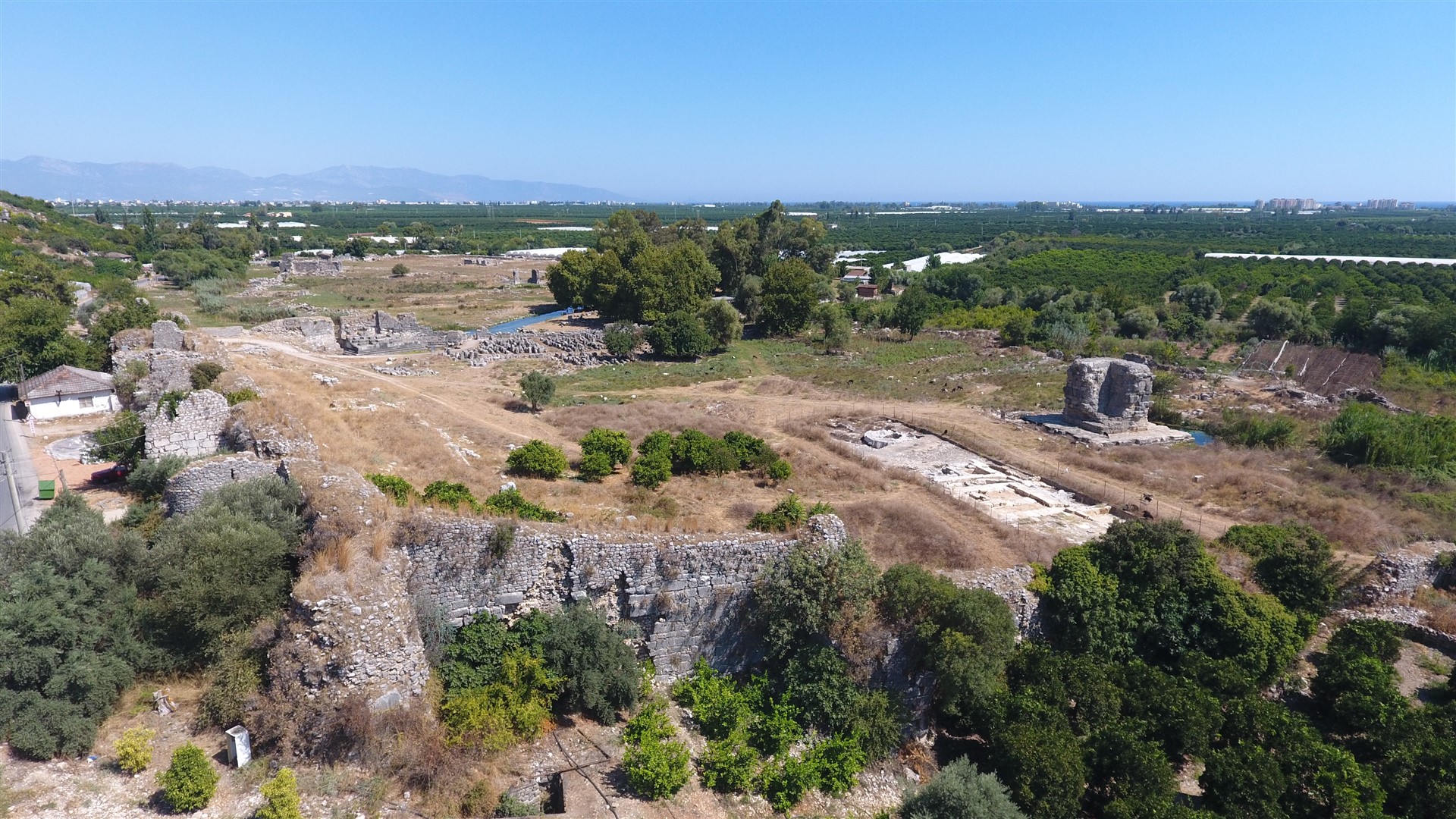
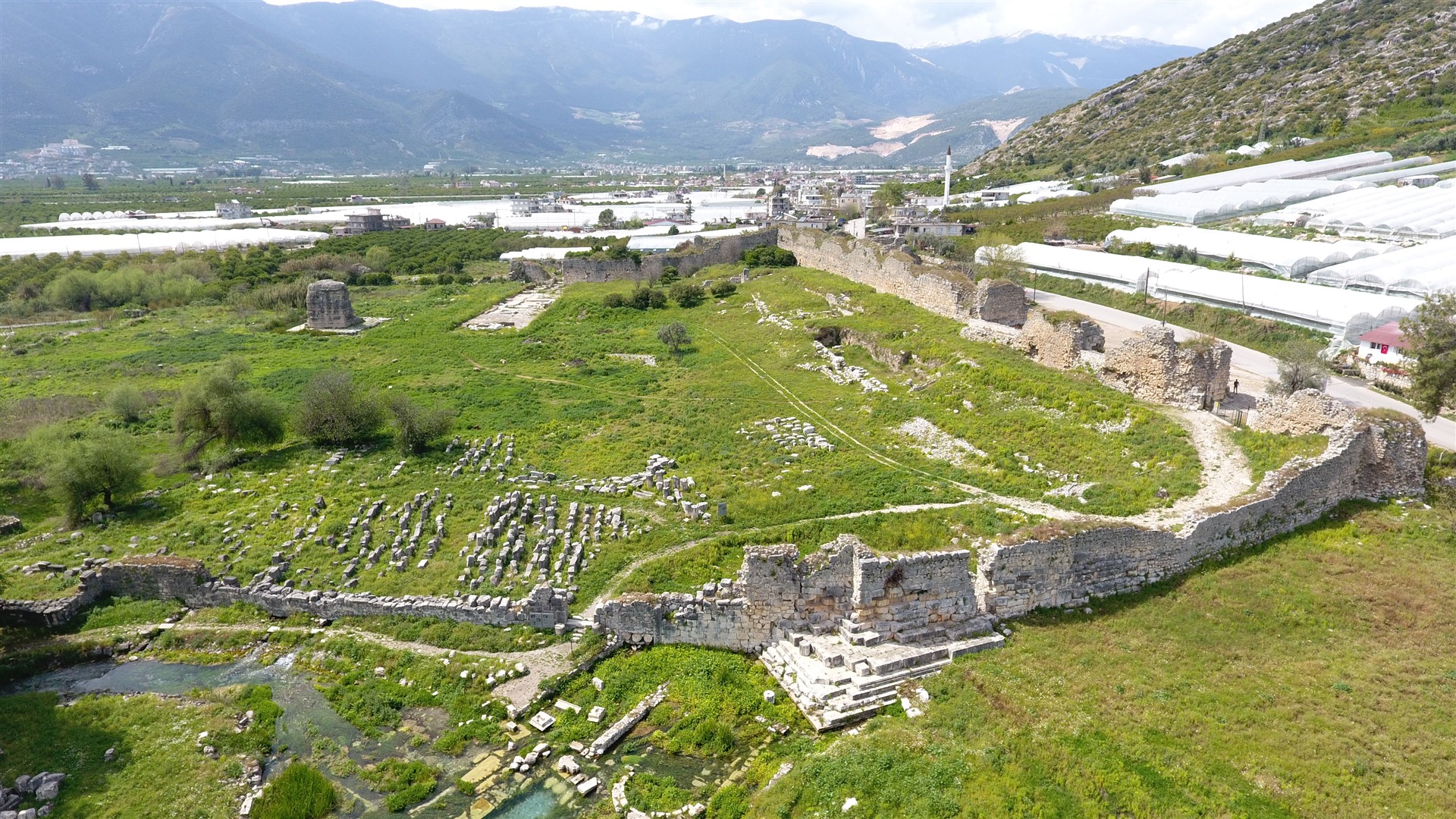
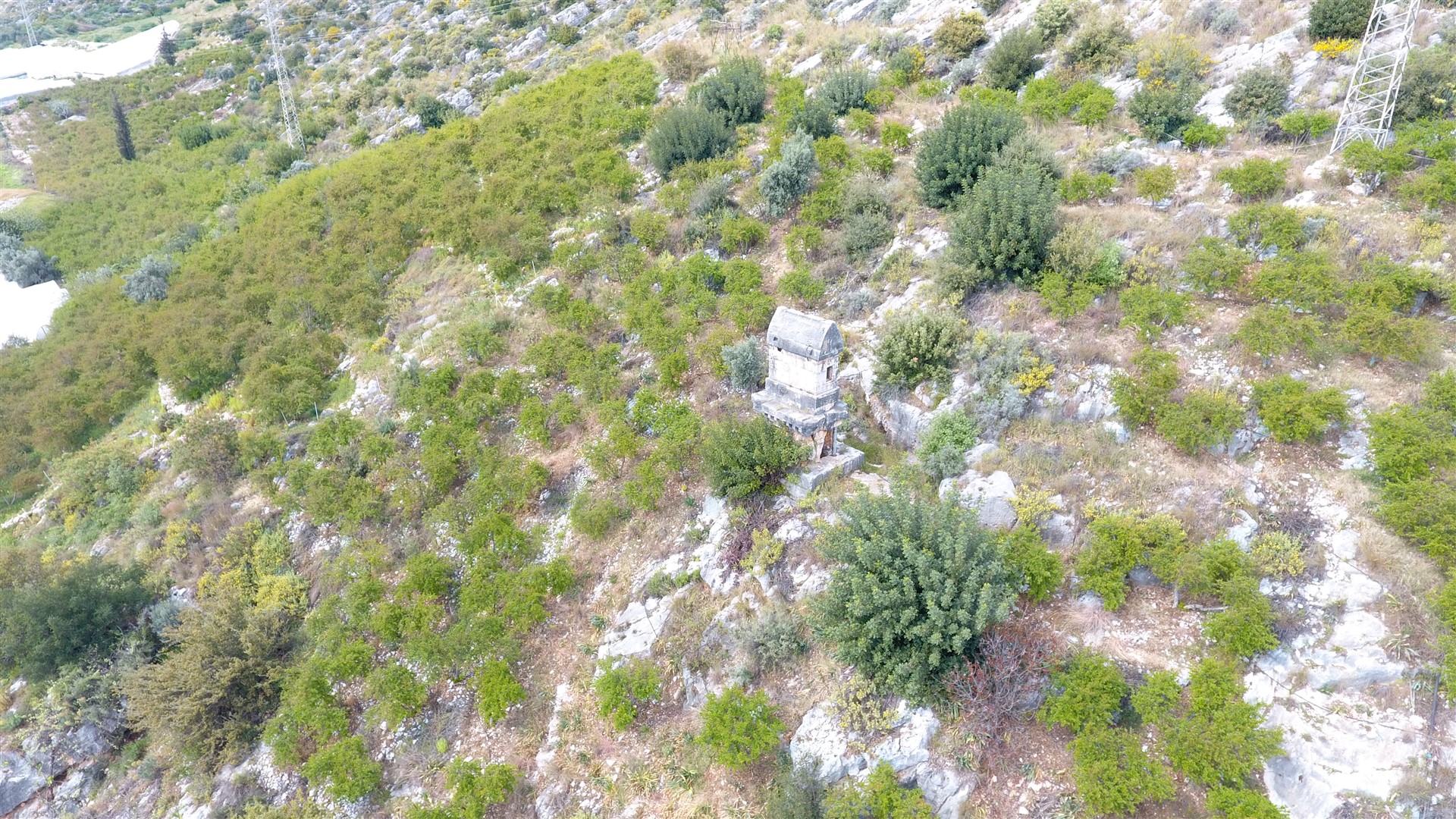
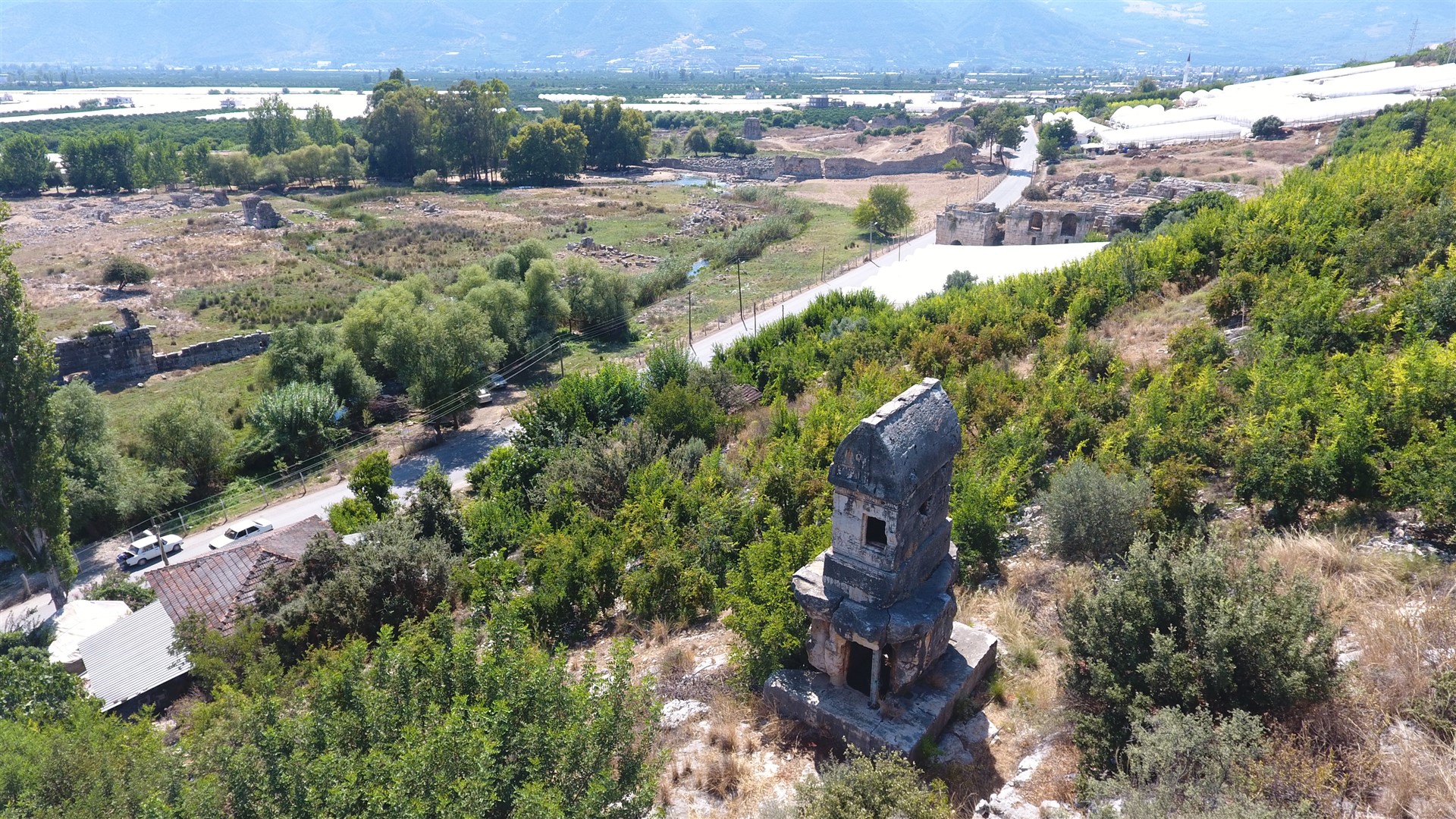
The findings from various periods, which were unearthed as a result of the excavations carried out in the city, have both enlightened the history of the region and brought very important artifacts to the Antalya Museum. The acropolis, located in the northernmost part of the ancient city, consists of an inner castle in the north and a lower castle. The lower castle contains the city wall, cisterns, a Byzantine church, and the Heroon of Pericles. The architecture of the monumental tomb belonging to King Pericles, dating to the 4th century BC, resembles the Nereid Monument in Xanthos, and its important pieces are exhibited in the Antalya Museum. Limyra is one of the cities with the most rock tombs in the Lycian Region. There are over four hundred rock tombs in the ancient city, and most of the tombs are known by name with their inscriptions written in the Lycian language.
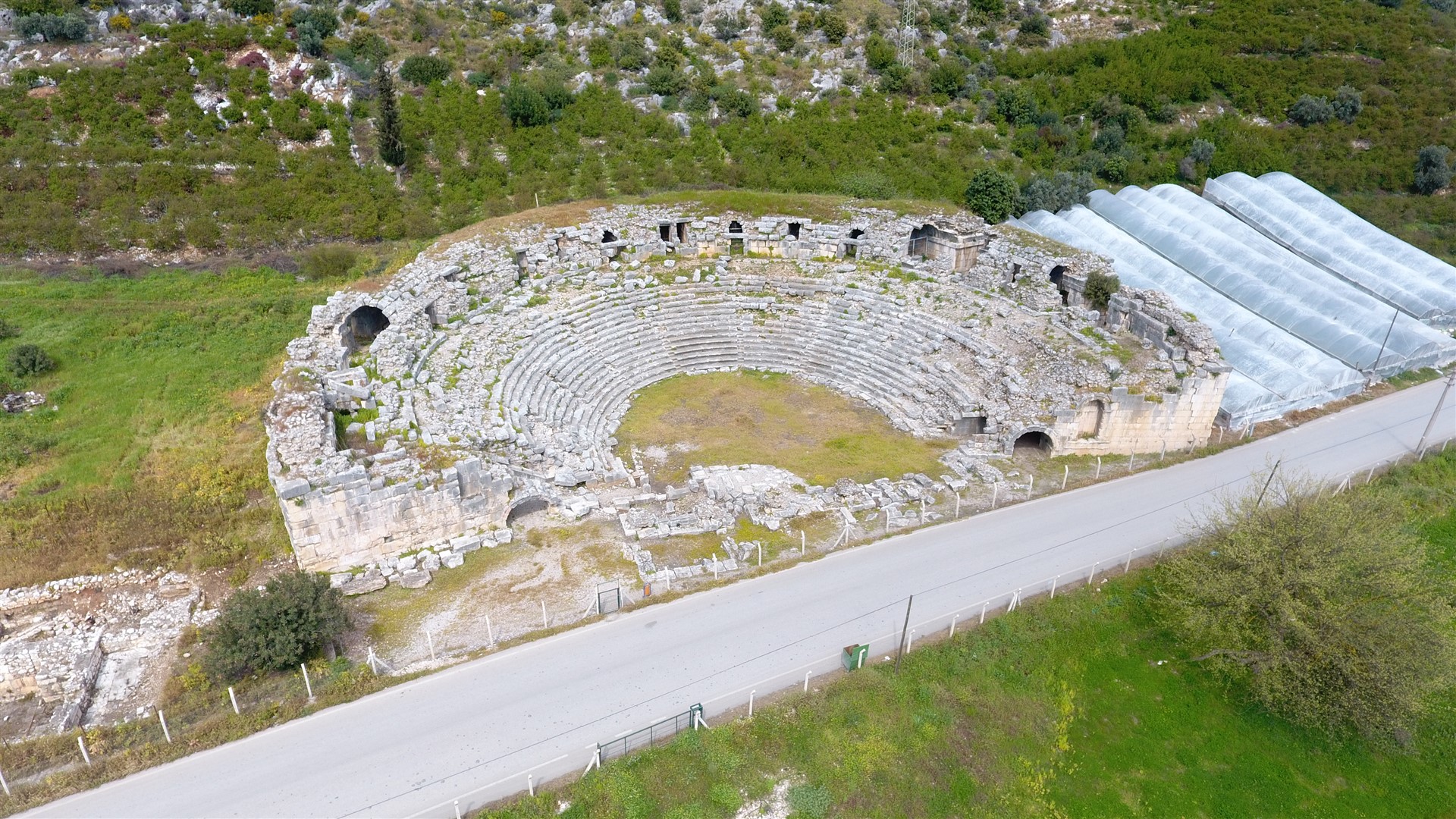
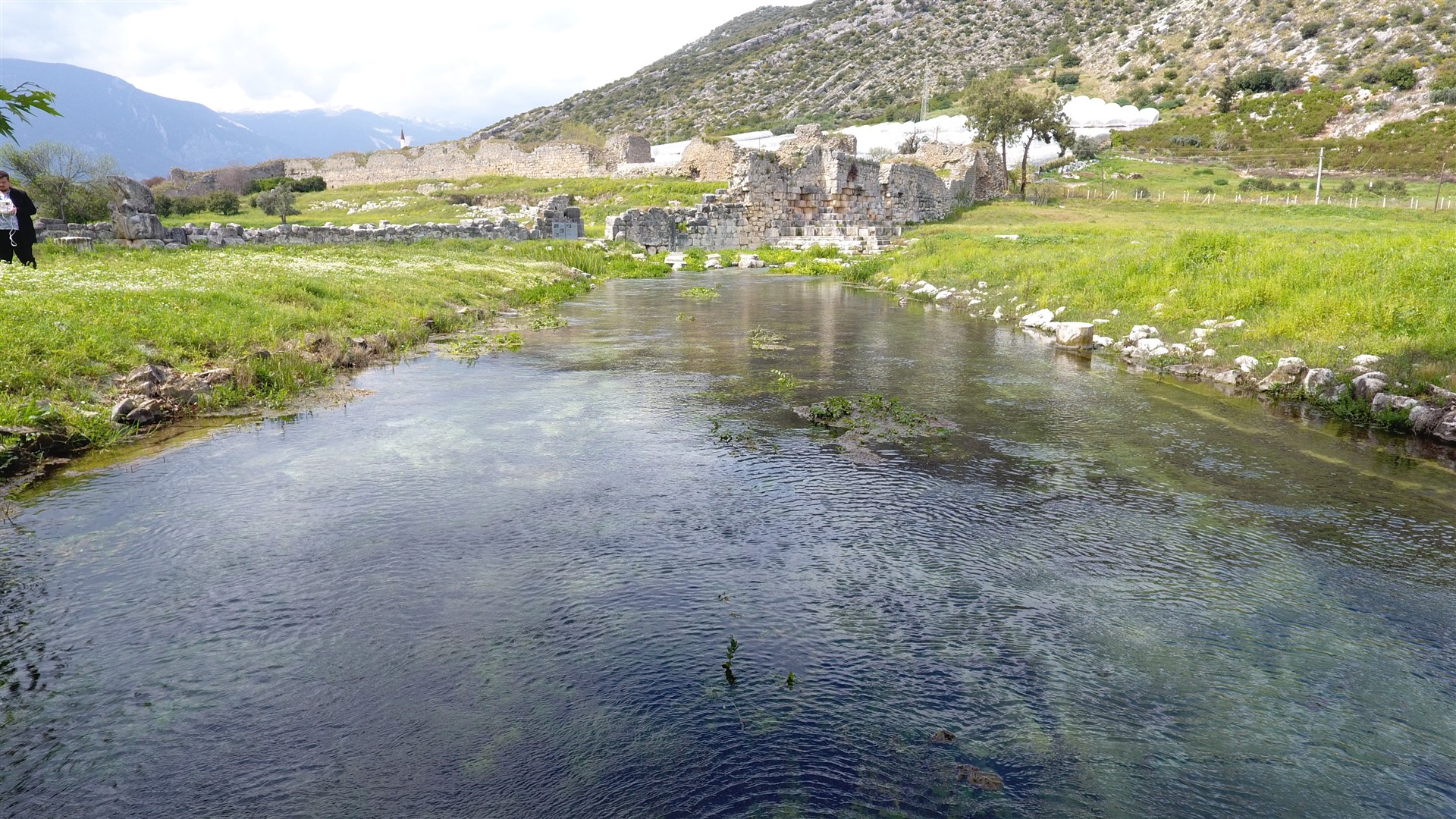
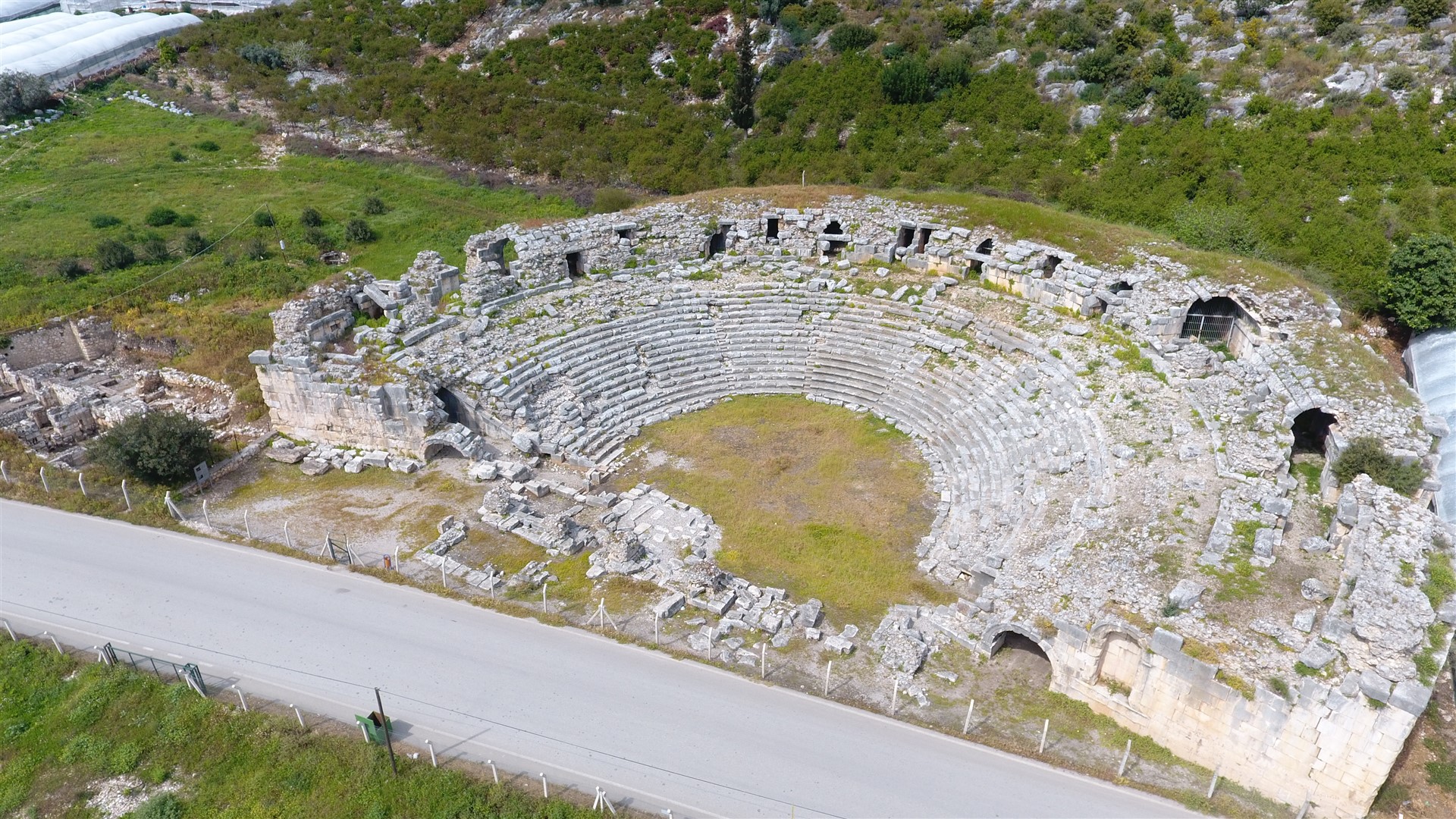
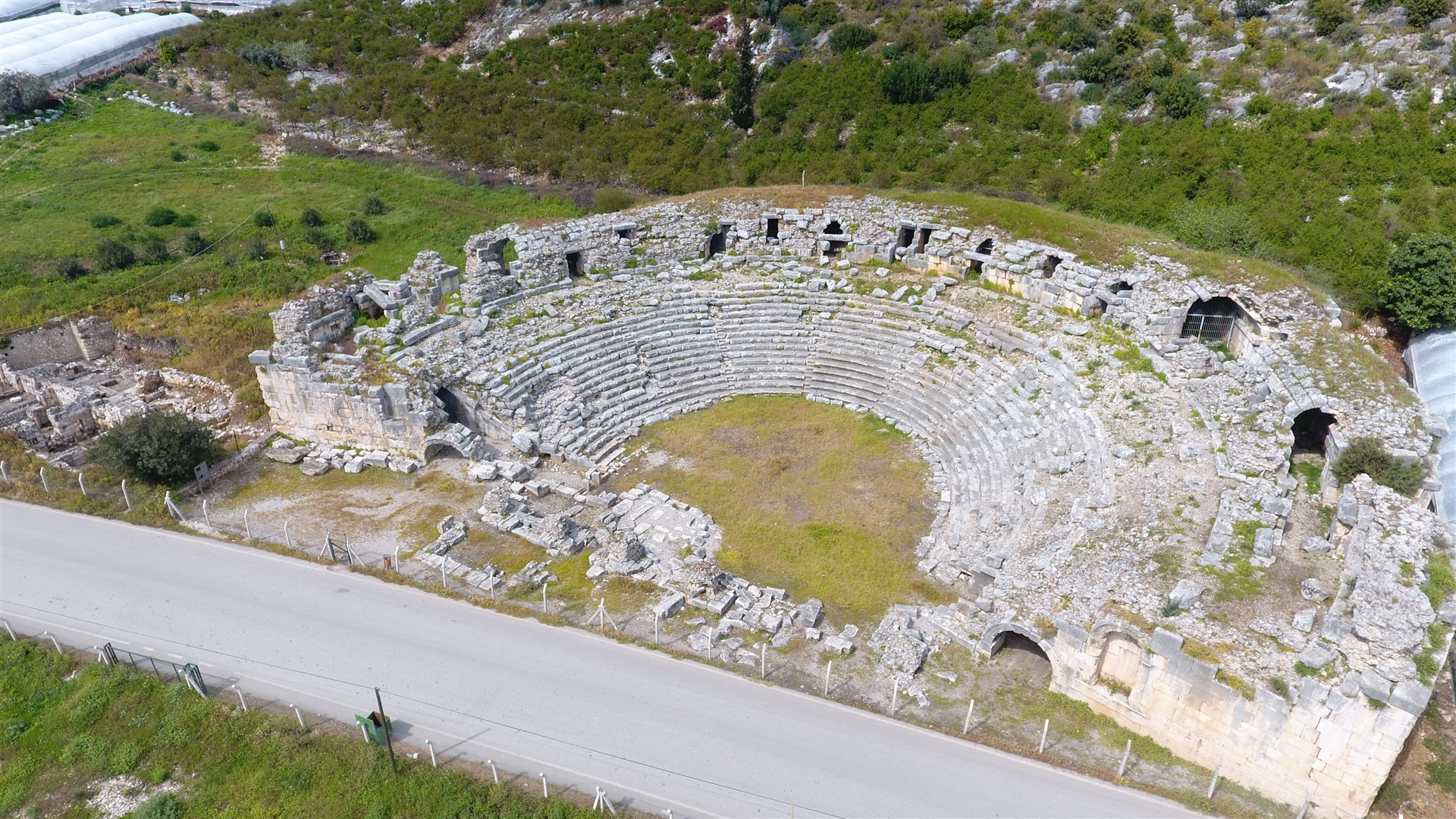
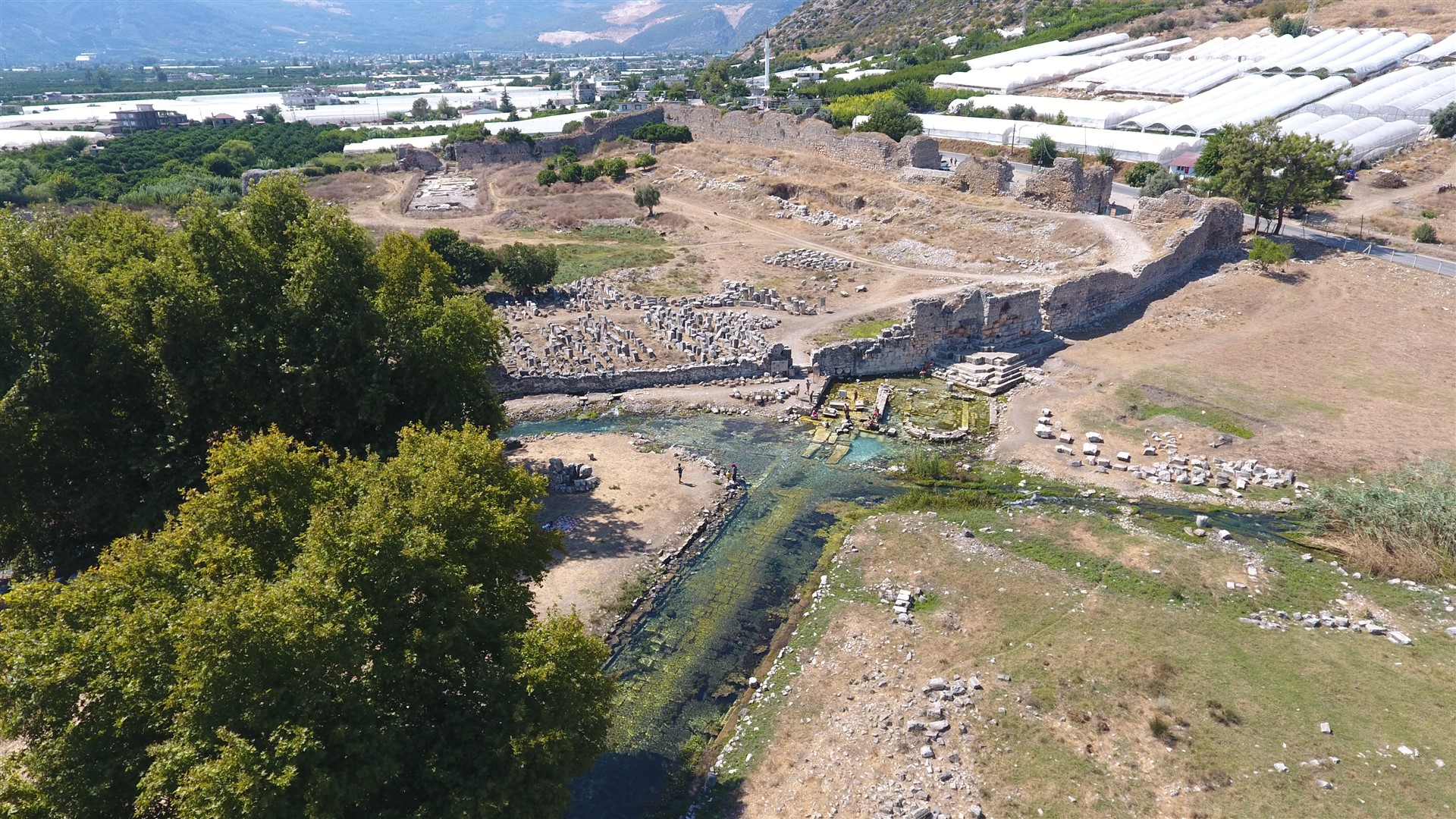
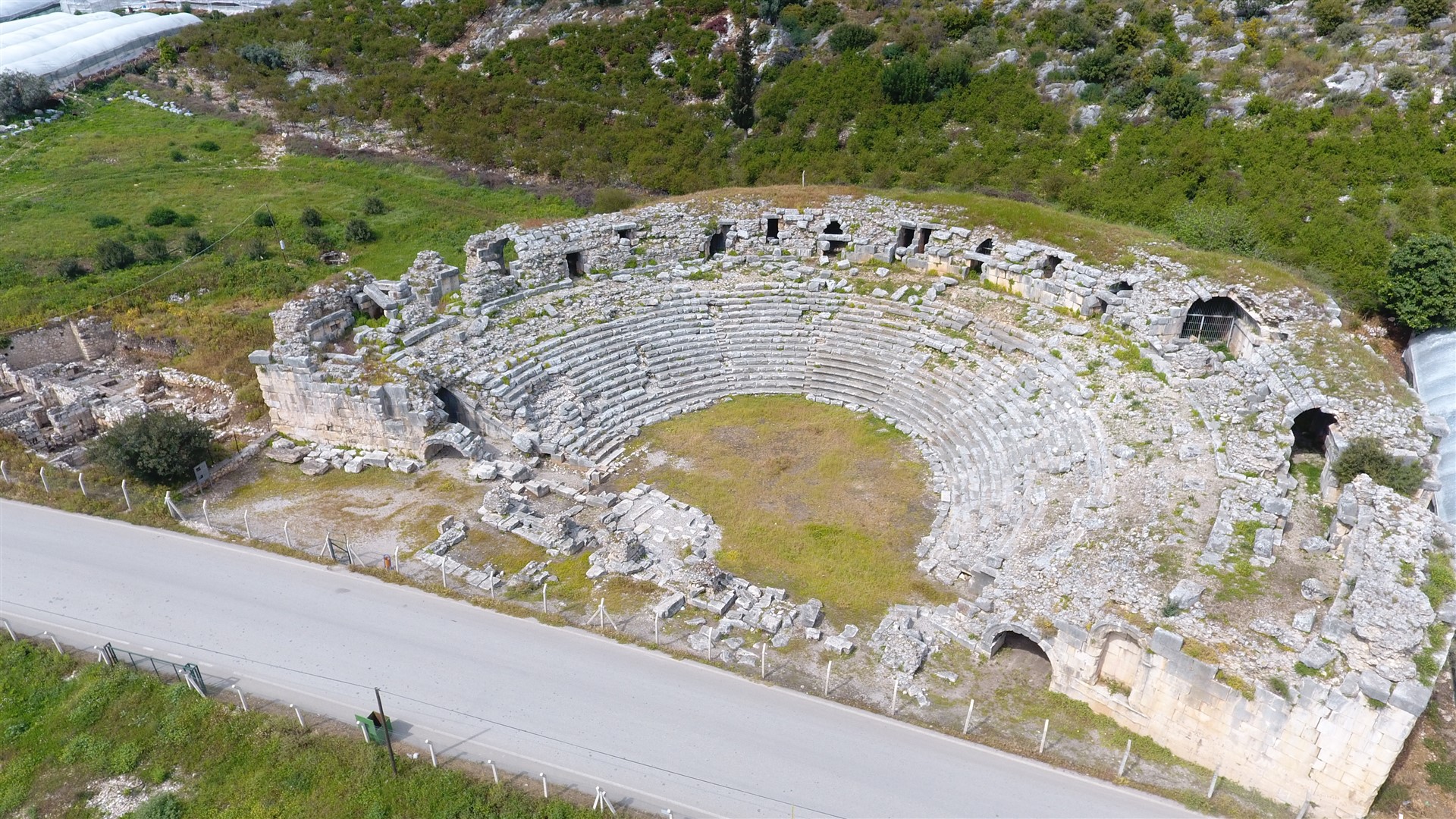
Where the acropolis reaches the plain, right next to the Turunçova-Kumluca highway, is the theater building, originally dating to the Hellenistic period, which underwent a major repair in 141 AD. The south of the highway is in the form of two separate islands divided as east and west by the Limyros River. The area within the Early Byzantine Period wall to the west of Limyros contains older ruins compared to the eastern one.
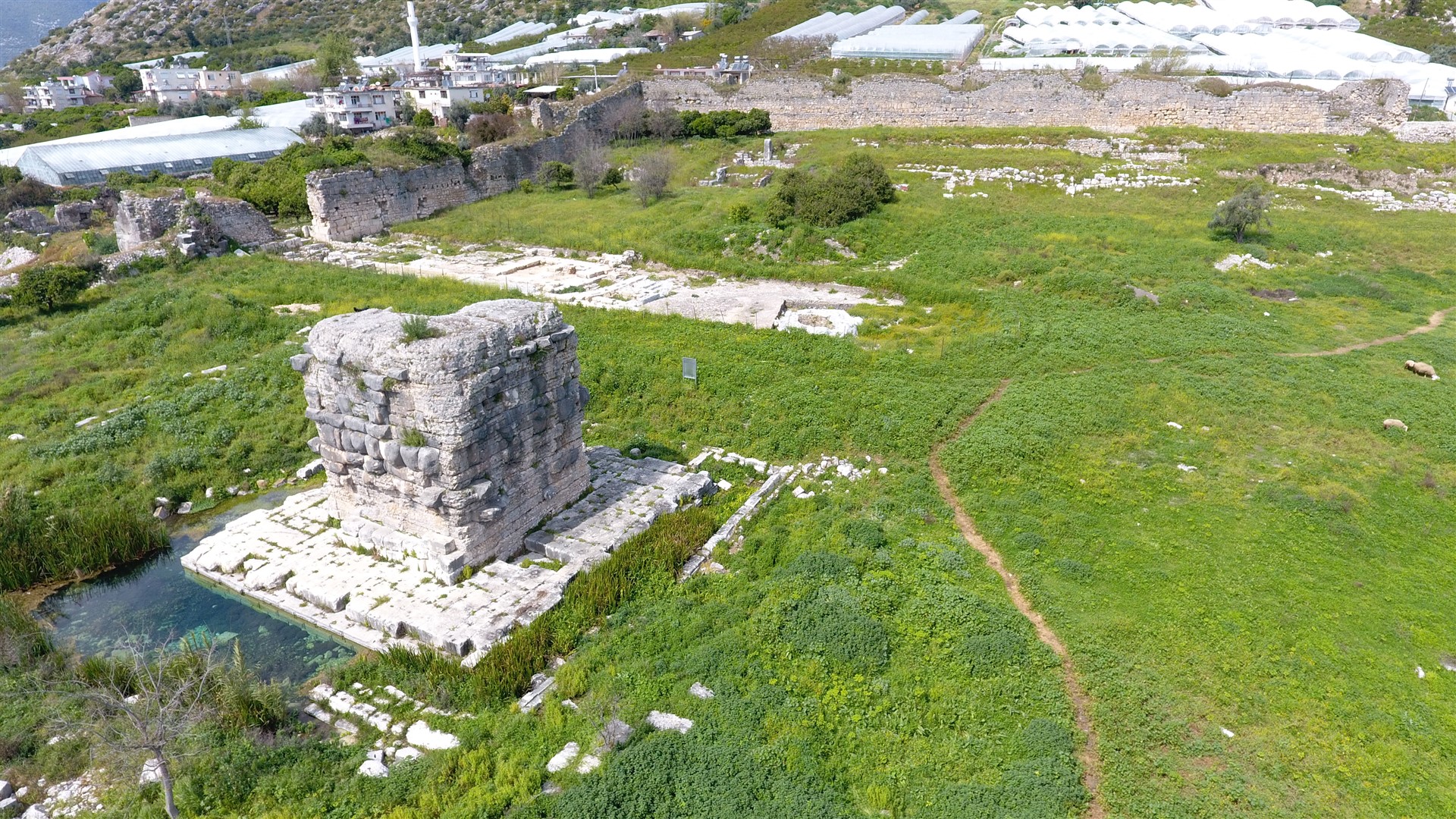
Inside the southern wall, a structure named "Ptolemaion" was uncovered. This monument built in the Hellenistic Period and the plastic artifacts belonging to it exhibited in the Antalya Museum are the most important findings of the Limyra excavations uncovered in recent years. Another important structure located in this area is the monumental tomb of Emperor Augustus's adopted son Gaius Caesar, built in 4 AD. This monument was constructed because Gaius Caesar died in Limyra on his way back to Rome from Jerusalem. The funeral or the urn grave containing his ashes was taken to Rome, and a monumental tomb without his corpse was built in his memory. The monument is famous not only for its architecture but also for the marble reliefs surrounding it; among these, the high relief exhibited in the Antalya Museum is of perfect quality in terms of staging the realism of the Augustan Period.
Limyra is among the "Ancient Cities of Lycian Civilization" (2009) proposed for the UNESCO World Heritage List.