Türkçe
 English
 Deutsch
Finike's Unsolved Mystery: Suluin Cave
Finike, the charming district of Antalya fascinating with its natural beauties, hosts a world-class natural wonder within its borders, beyond its deep blue bays and orange groves: Suluin Cave. Also known as "İncirli Cave" or "Gök Cave" among the public, this unique geological formation is more than an ordinary natural beauty; it is a fascinating and equally eerie underwater labyrinth. As requested, below you can find the detailed text that covers every aspect of this mysterious natural wonder and will easily fill an A4 paper.
Overview and Physical Characteristics
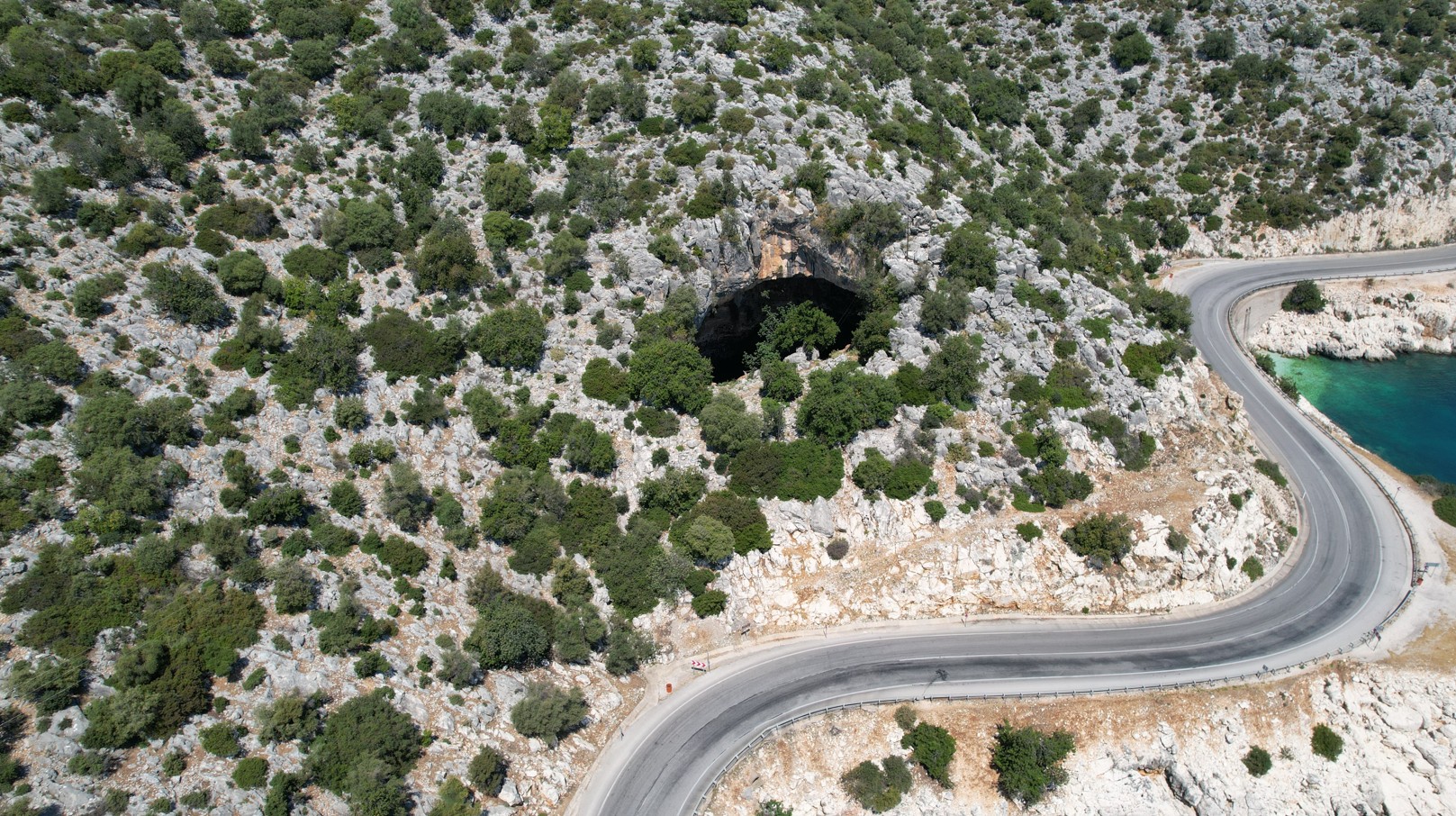
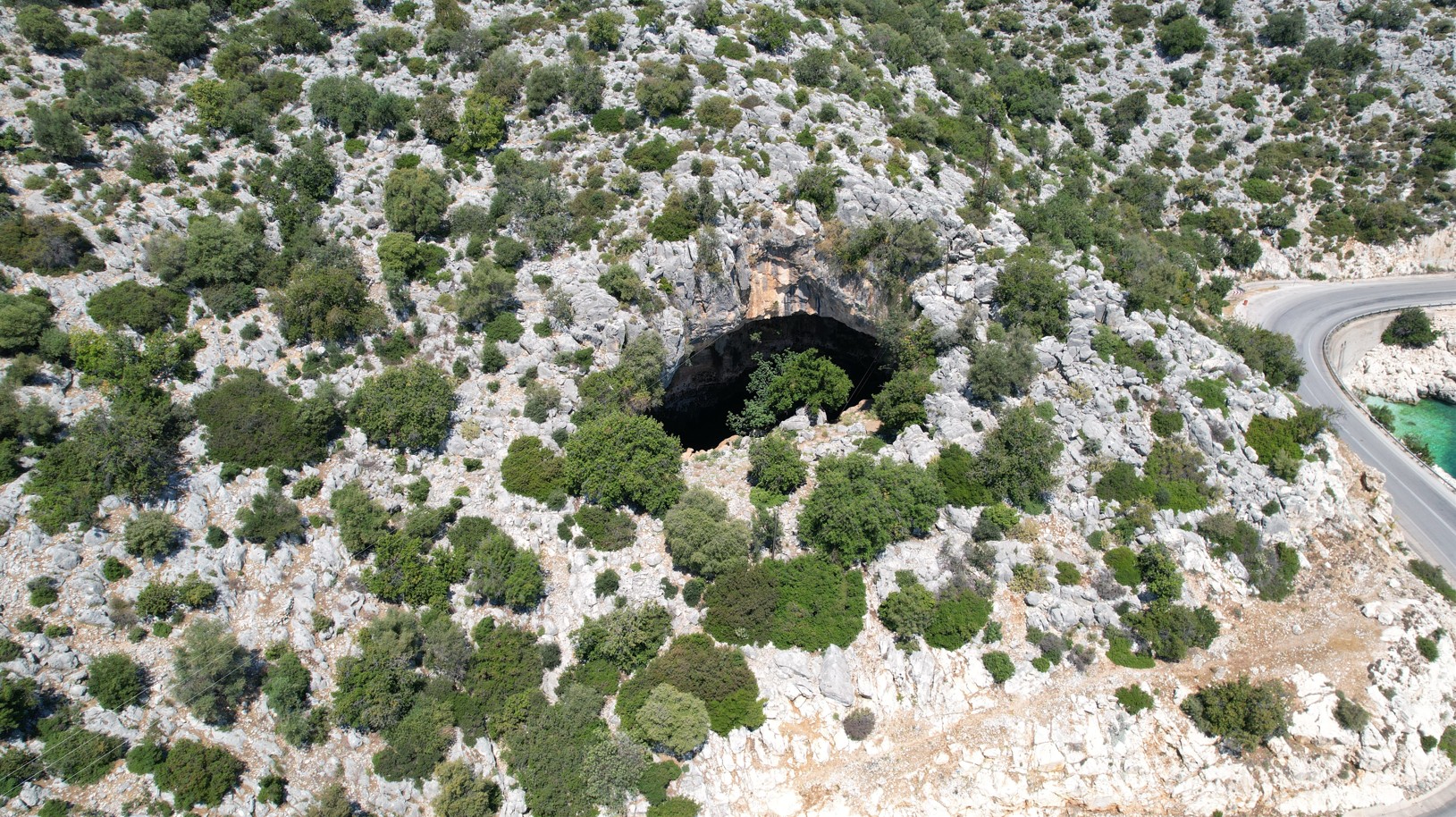
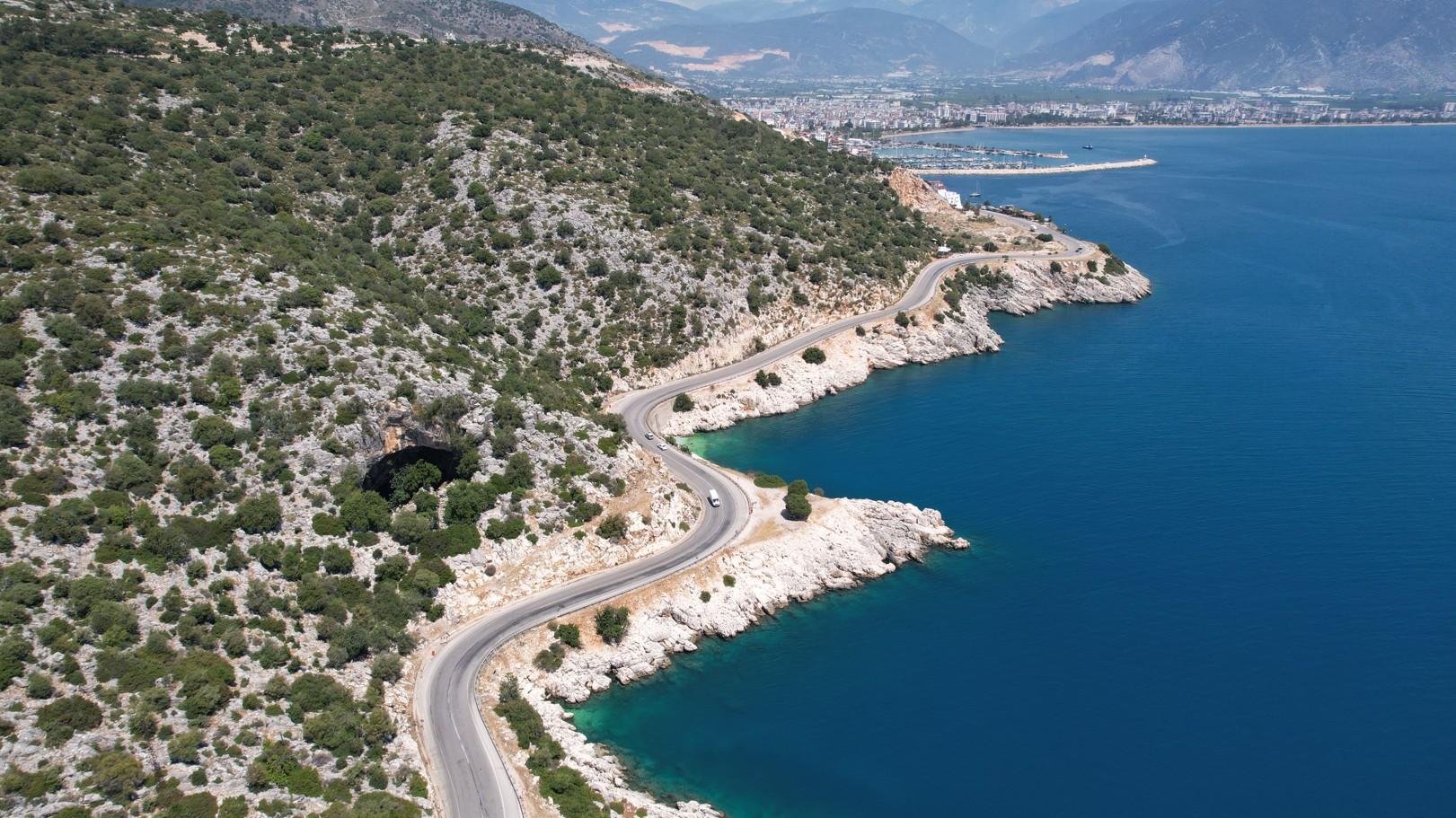
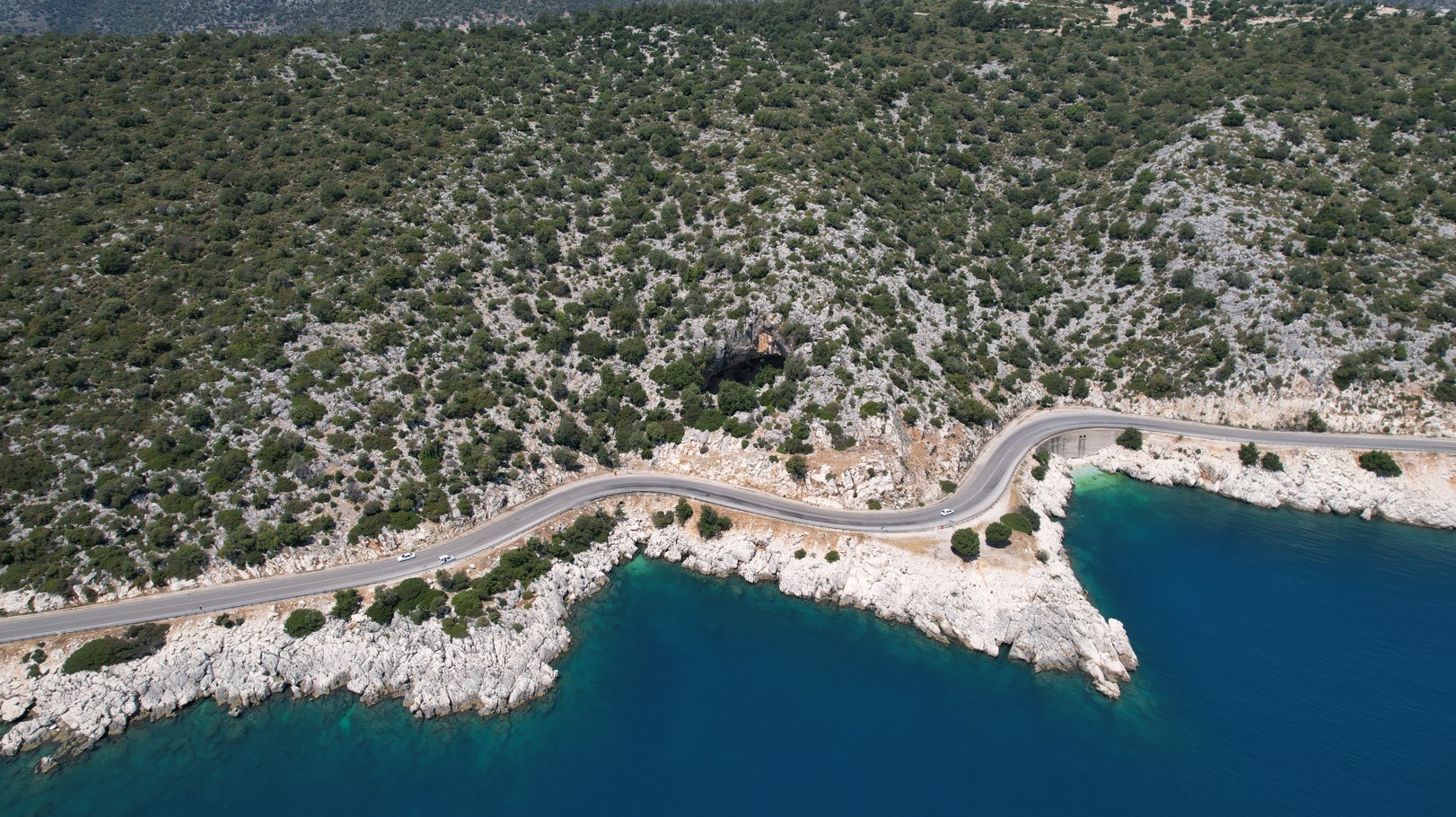
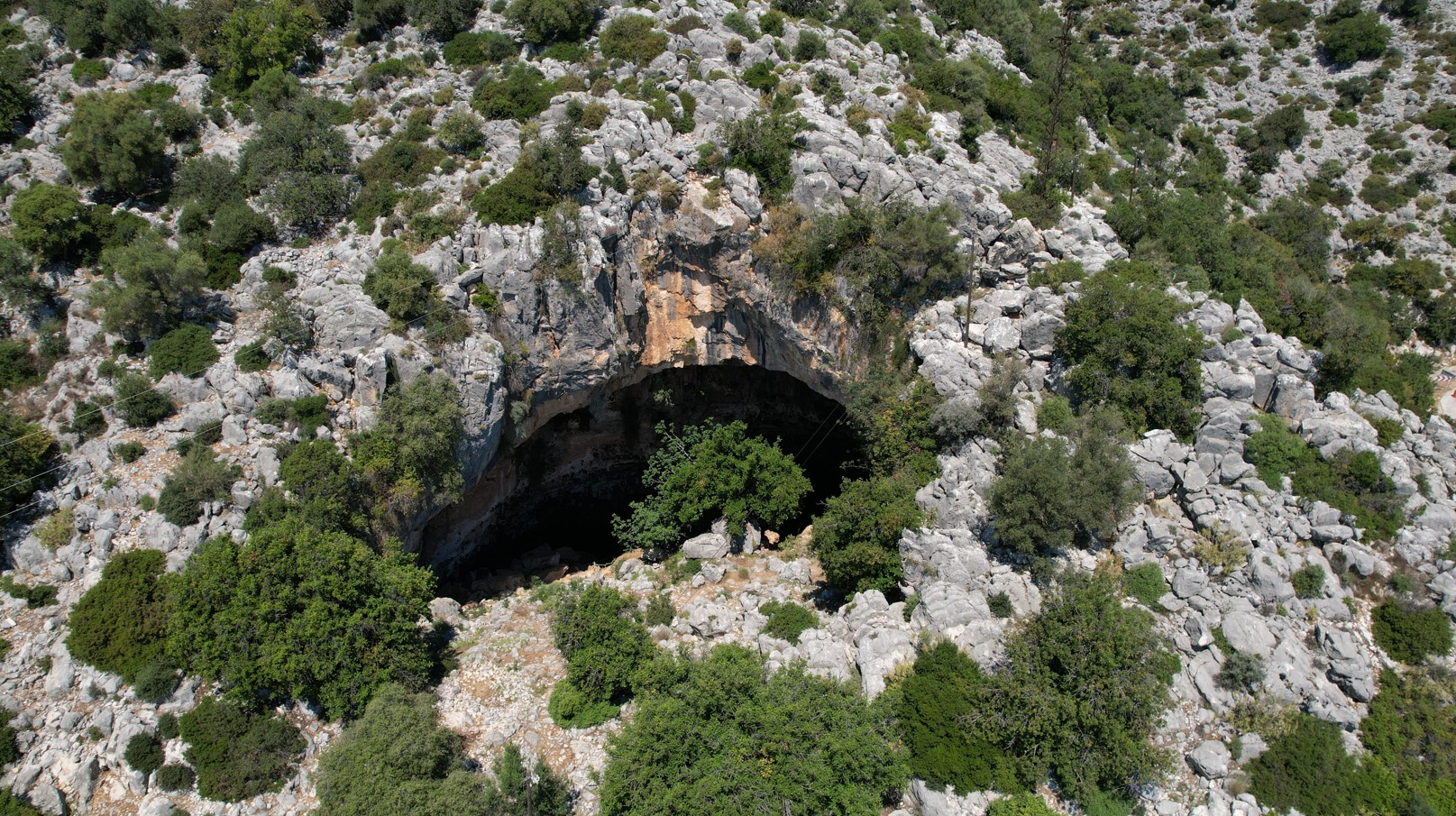
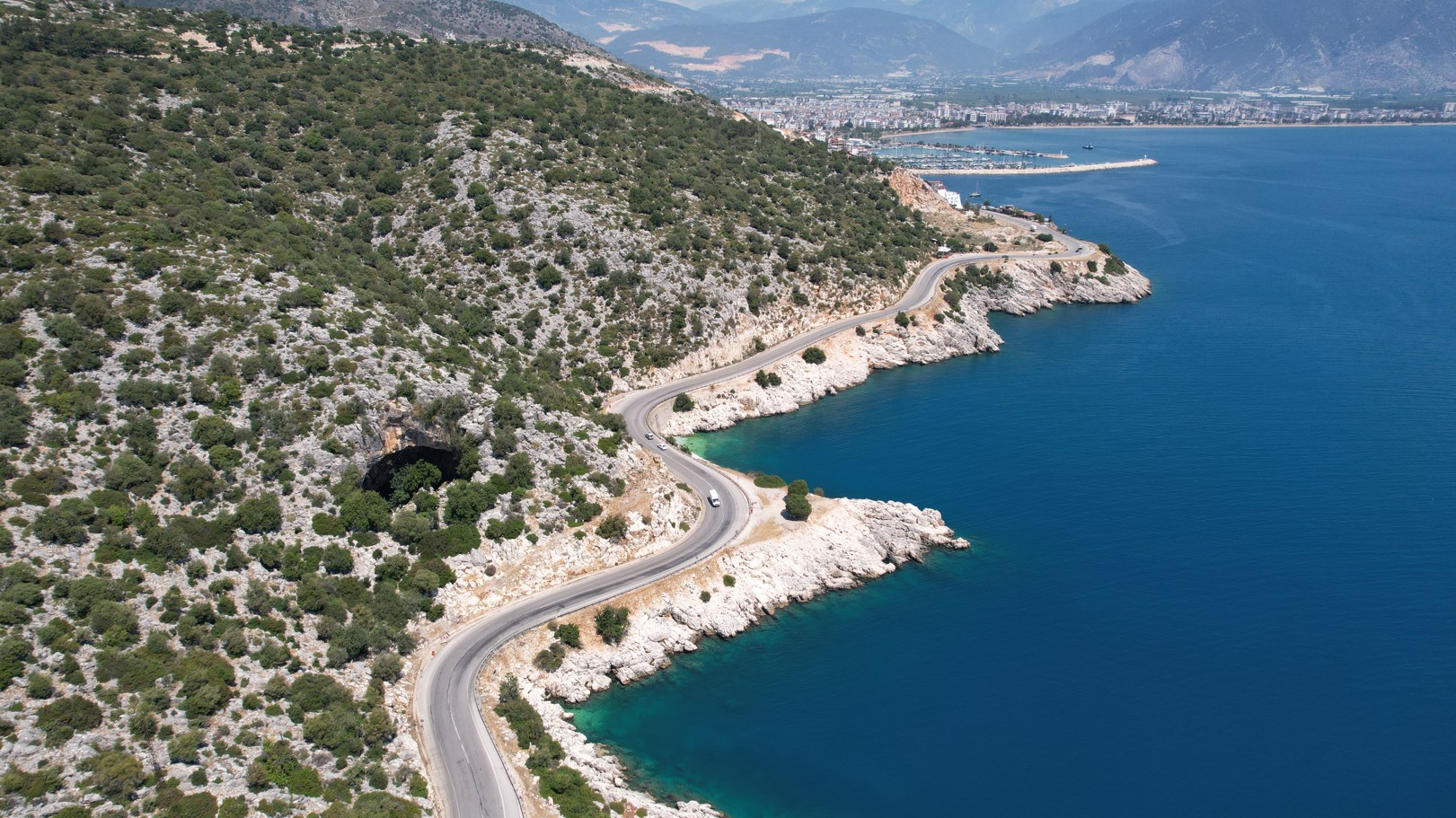
Located just 1 kilometer from the Finike district center, right next to the Demre-Kaş highway, the cave is hidden on a steep mountain slope about 18 meters above the road. This massive mouth, which looks quiet and calm at first glance, is actually the gateway to one of the deepest documented underwater caves in Asia.
One of the most striking features of Suluin Cave is its massive dimensions. The cave has a terrifyingly large entrance mouth exactly 80 meters wide. While explaining this size, experts state that even the legendary passenger plane Concorde could easily fit through this entrance. Although the cave, which progresses vertically from the entrance, seems to end with a dark and deep pool of water, the real mystery begins underwater.
| Feature | Description |
|---|---|
| Location | Finike, Antalya (1 km from the center) |
| Other Known Names | İncirli Cave, Gök Cave, Zincirli Cave |
| Entrance Mouth Width | 80 Meters |
| Maximum Depth Reached | 122 Meters (1995, US team) |
| Water Temperature | 13-14 °C year-round |
| Water Structure | Fresh at the surface, salty and acidic in the depths |
| Visitation Status | Open only for professional/scientific dives |
The Ancient Terrestrial Past Beneath the Waters
Suluin Cave continues to surprise scientists with its water and geological structure. While there is fresh water in the upper layers of the water column, the water becomes salty as it goes deeper. This stratification is the biggest proof that the cave has a hidden underground connection with the sea. In addition, a sharp hydrogen sulfide odor is felt in the depths.
The cave is almost a submerged time capsule with the geological and historical traces it carries. As a result of the research conducted in the depths, the following findings that surprised scientists were encountered:
- Stalactites and Stalagmites: There are massive curtain-shaped stalactites and stalagmites at depths of 40-50 meters underwater. Since these formations can only occur in terrestrial environments (dry environments), it definitively proves that the cave was above water in prehistoric times and was submerged by a massive collapse or sea-level rise.
- Travertine Pools: Also in the depths, there are large travertine pools remaining from the cave's dry period.
- Ancient Ruins: During the researchers' dives, ancient bone fragments and ceramic shards were discovered in the depths that disintegrated the moment they were touched. This shows that the cave might have hosted human or animal life during the periods when it was dry.
Exploration Efforts and Tragic Diving Accidents
Suluin Cave has an unforgiving nature as much as it is alluring. Its exact depth cannot be measured with certainty even today. The most serious known exploration attempt was carried out on August 27, 1995, by an American professional underwater research team. In this dangerous dive using special mixed gases, the team managed to descend to a depth of exactly 122 meters. However, even at this incredible depth, the bottom of the cave could not be reached. This dive carried Suluin to the title of the deepest dived vertical cave in Asia for a long time.
Unfortunately, this mysterious charm of the cave has also been the scene of sad events. During the research period in 1995, a German diver couple who wanted to explore the cave dove into this deep darkness but could not return. The bodies of the couple, who are thought to have lost their lives due to cold water, excessive nitrogen loading, and nitrogen narcosis (depth intoxication), could only be recovered from a depth of 60 meters. Following this tragic accident, considering the danger of collapse in the cave and its acidic structure, Suluin was completely closed to amateur divers and touristic dives. Today, only professional dives for scientific purposes with official permits can be made into the cave.
Today, Suluin Cave stands like a dark underground palace keeping its silence under the Antalya sun. With its frozen terrestrial past beneath its waters, its unreachable bottom, and its unsolved legends, it is one of the greatest secrets nature hides from humanity. This area, which arouses deep admiration even just by looking at it from afar, is a tremendous geological heritage that simultaneously reflects both the fascinating beauty and the terrifying power of nature.