Türkçe
 English
 Deutsch
Finike Tourism Master Plan Preparation Project
Project Details
🌍 Finike Tourism Master Plan Preparation Project
Sustainable Tourism and Destination Management
📌 Project Introduction
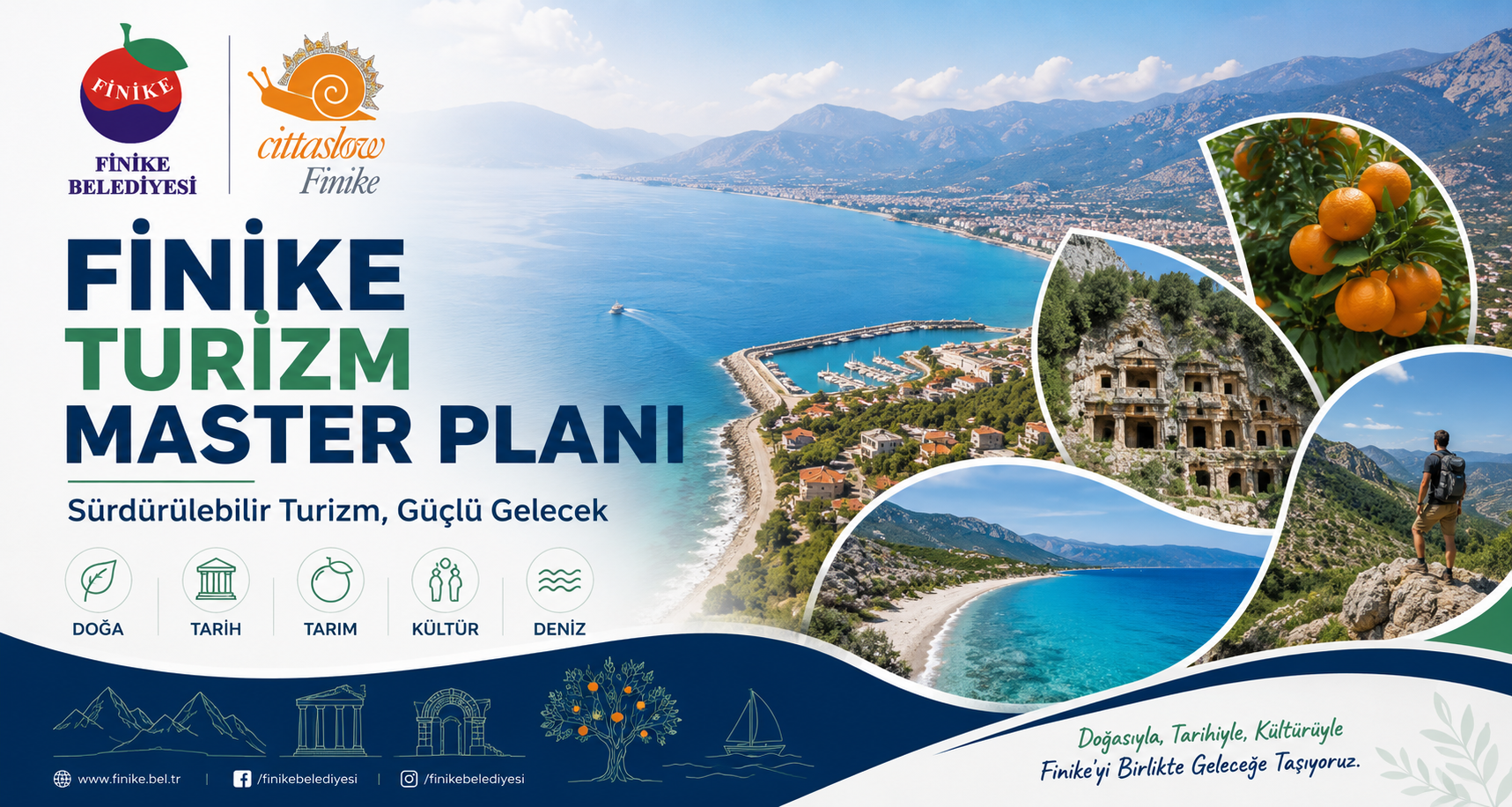
We are launching the "Finike Tourism Master Plan Preparation Project" with the aim of preserving and carrying Finike’s unique natural, historical, and agricultural heritage into the future, and transforming our district into a sustainable, high-quality tourism destination.
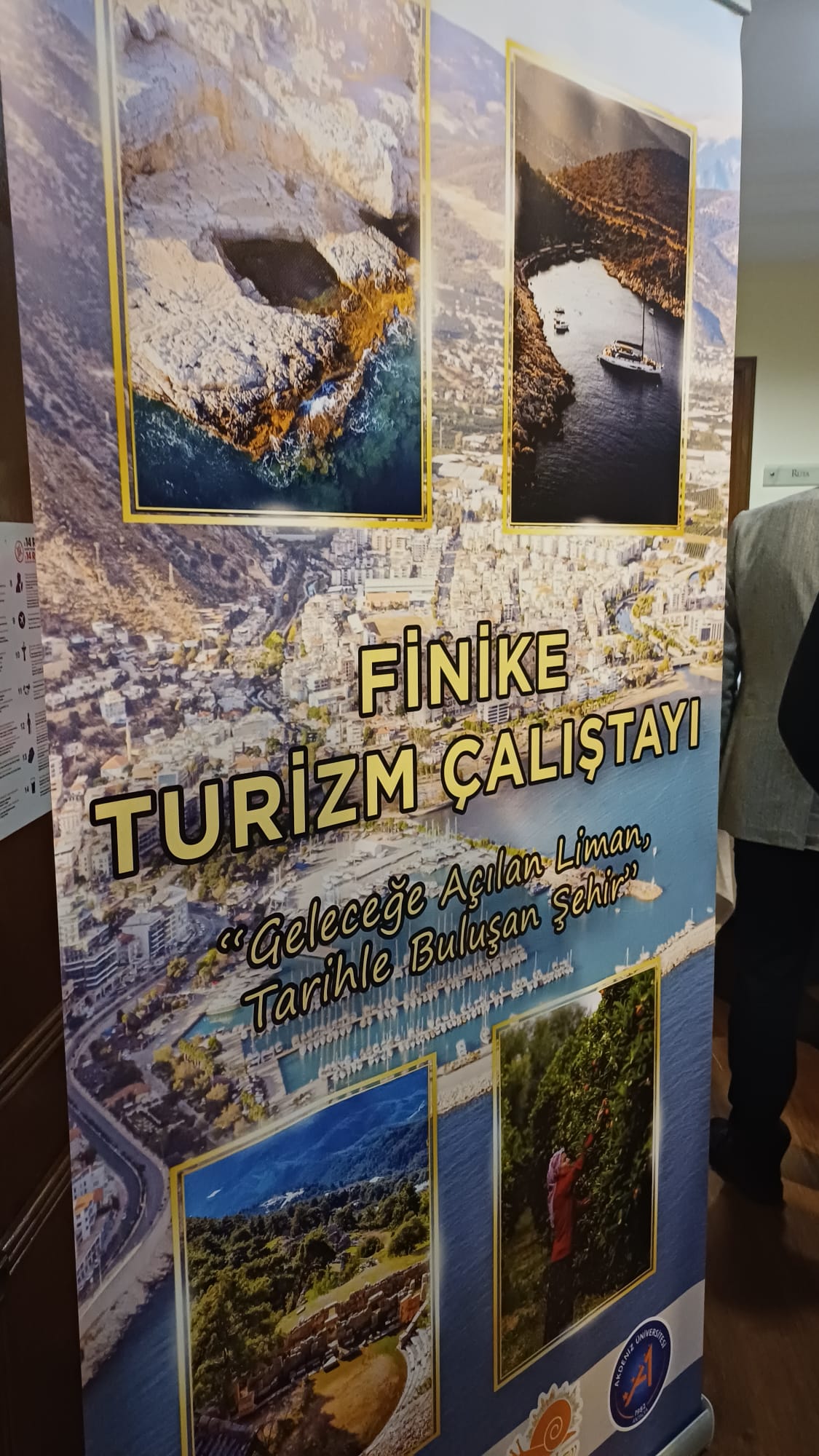
Located in Antalya’s western corridor, Finike possesses a multi-dimensional alternative tourism potential, encompassing characteristic microclimatic features, rich biodiversity, pristine bays, natural wonders such as Gökbük Canyon, the ancient cities of Limyra and Arykanda, and the historical Lycian Way trekking routes.
Through this project, our objective is to extend our district's existing day-trip and seasonal tourism activity to all 12 months of the year under a holistic planning approach, and to transform Finike from a mere "transit point" into a global attraction center in its own right.
🎯 Core Rationale and Vision of the Project
The monocultural structure of the regional economy, which is predominantly based on citrus production, creates vulnerability to market fluctuations. Establishing a new model of regional development based on the symbiotic harmony of agriculture and tourism is the most strategic way to mitigate this vulnerability.
Respecting Finike's international "Cittaslow" (Slow City) status and its delicate ecological balance, our project designs a "sustainable and niche destination management" model that strikes a balance between conservation and utilization against the homogenization caused by mass luxury tourism. It aims for a growth model that does not harm nature and culture, without exceeding physical and socio-cultural carrying capacities.
🎓 Scientific and Participatory Framework of the Project
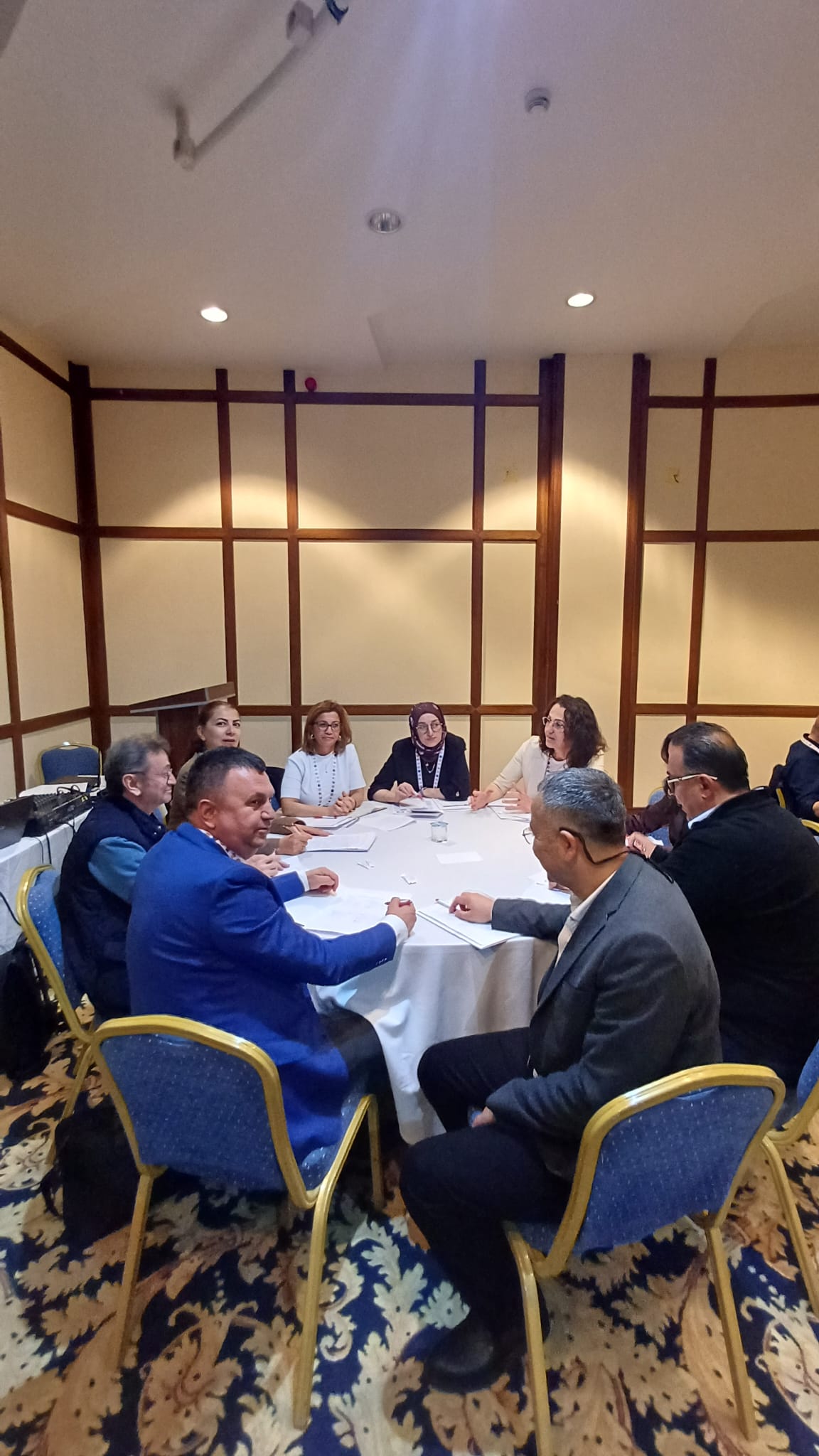
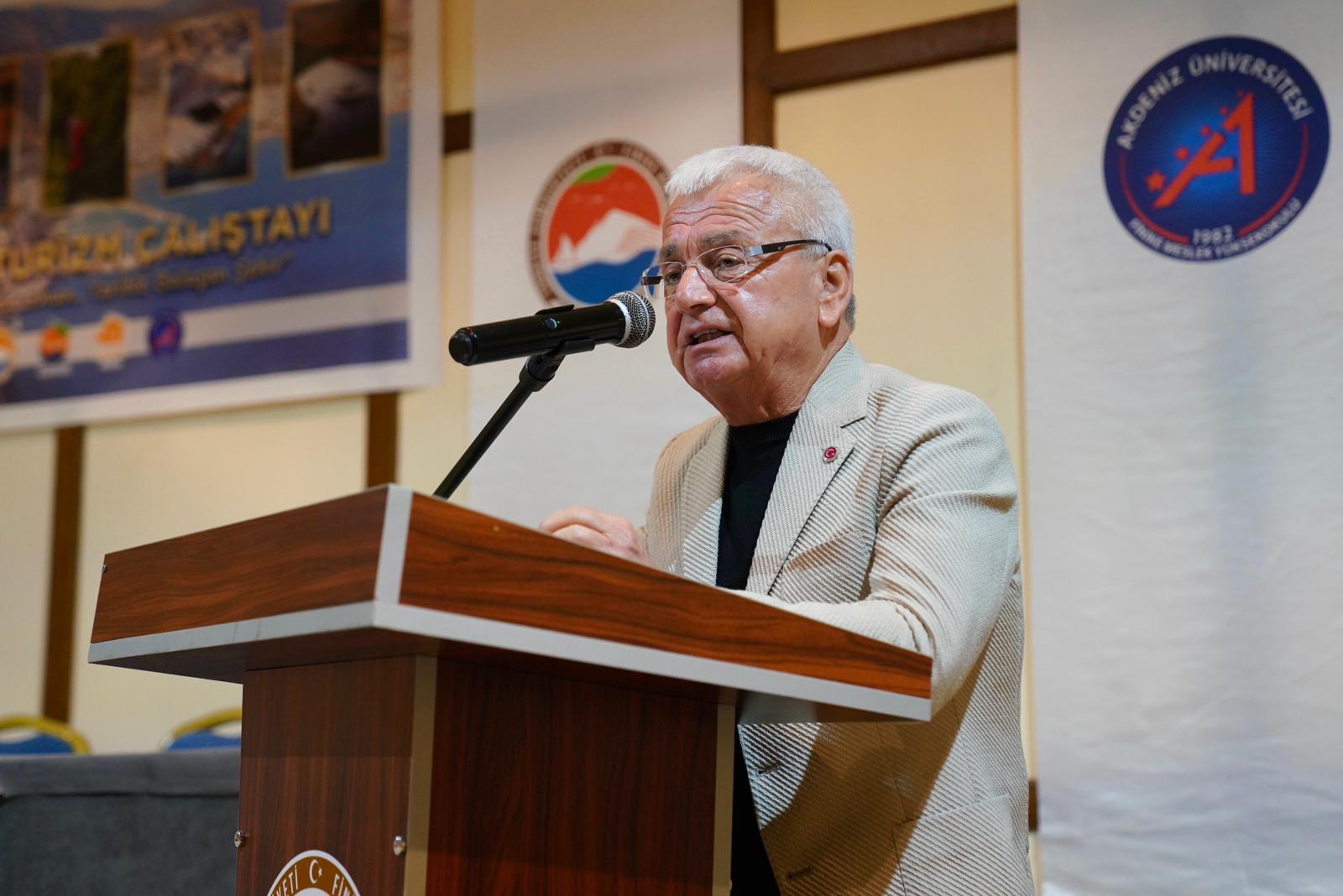
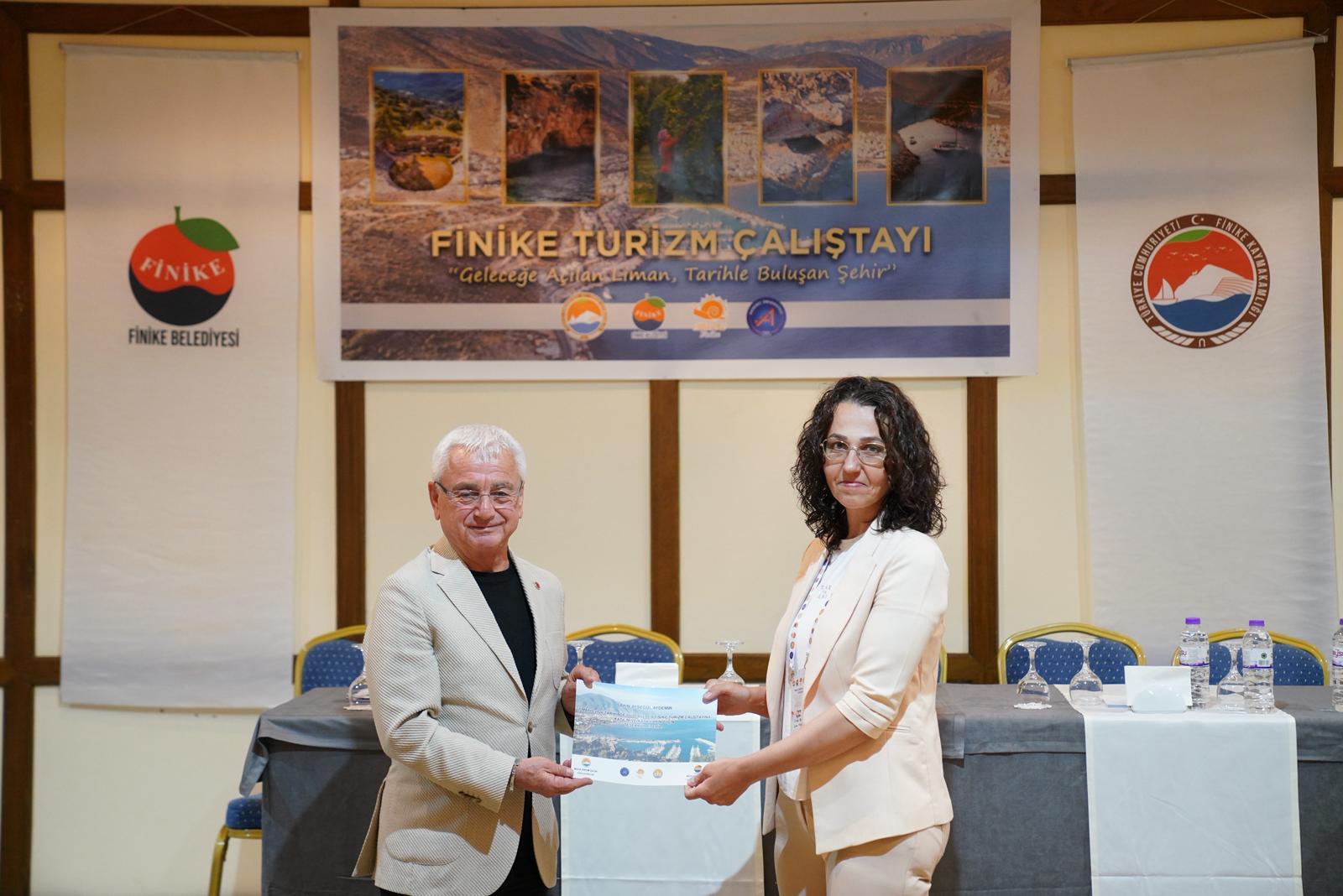
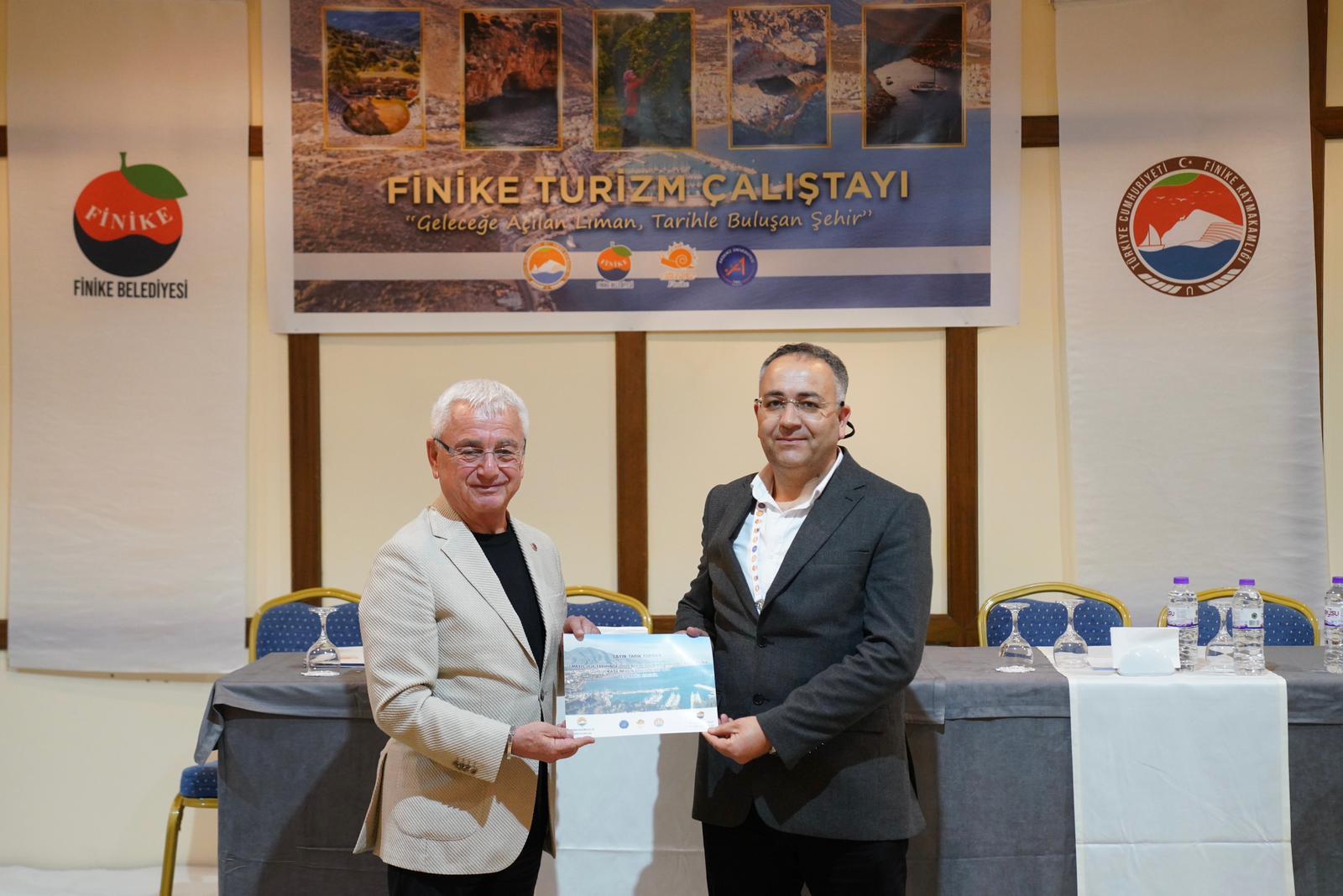
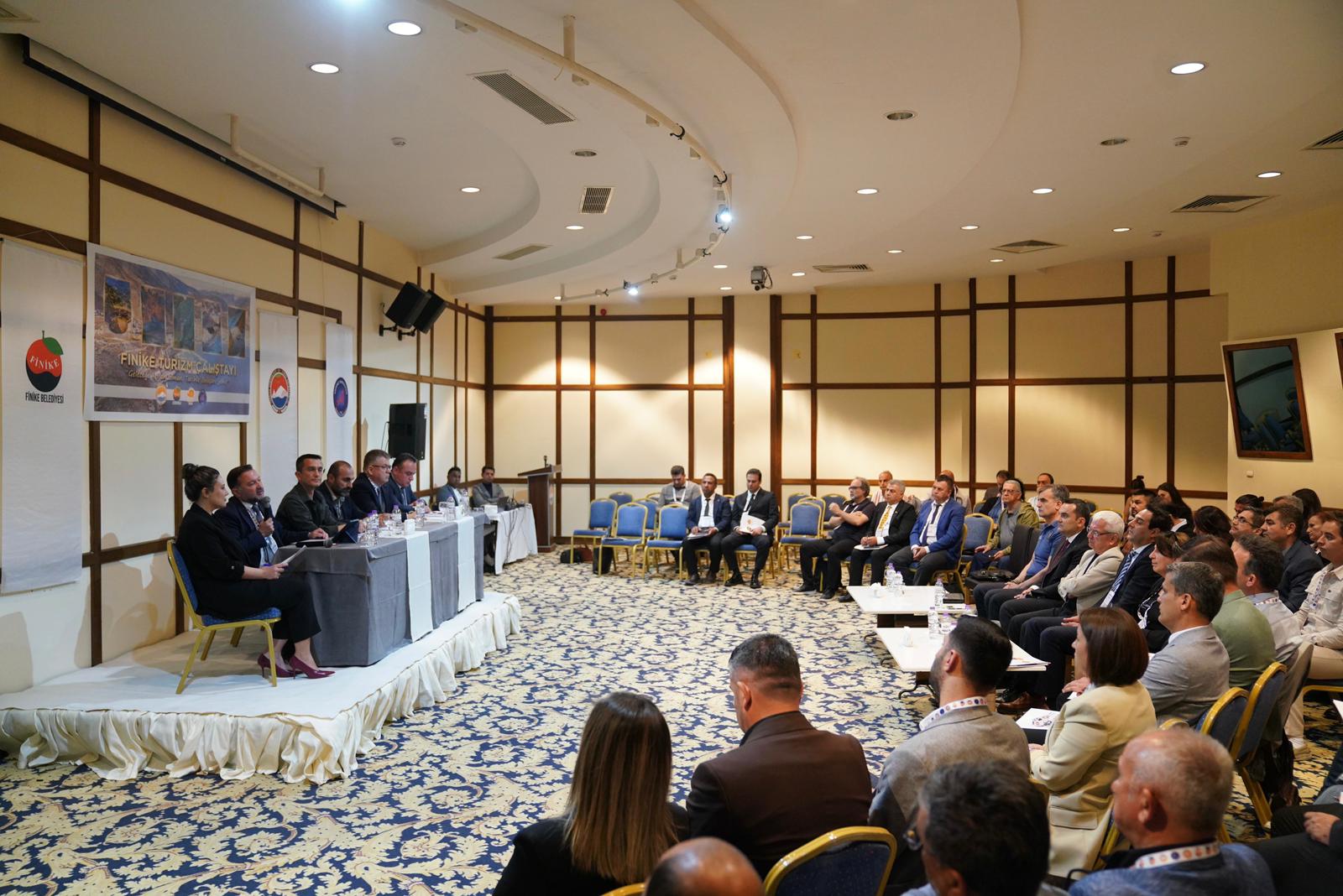
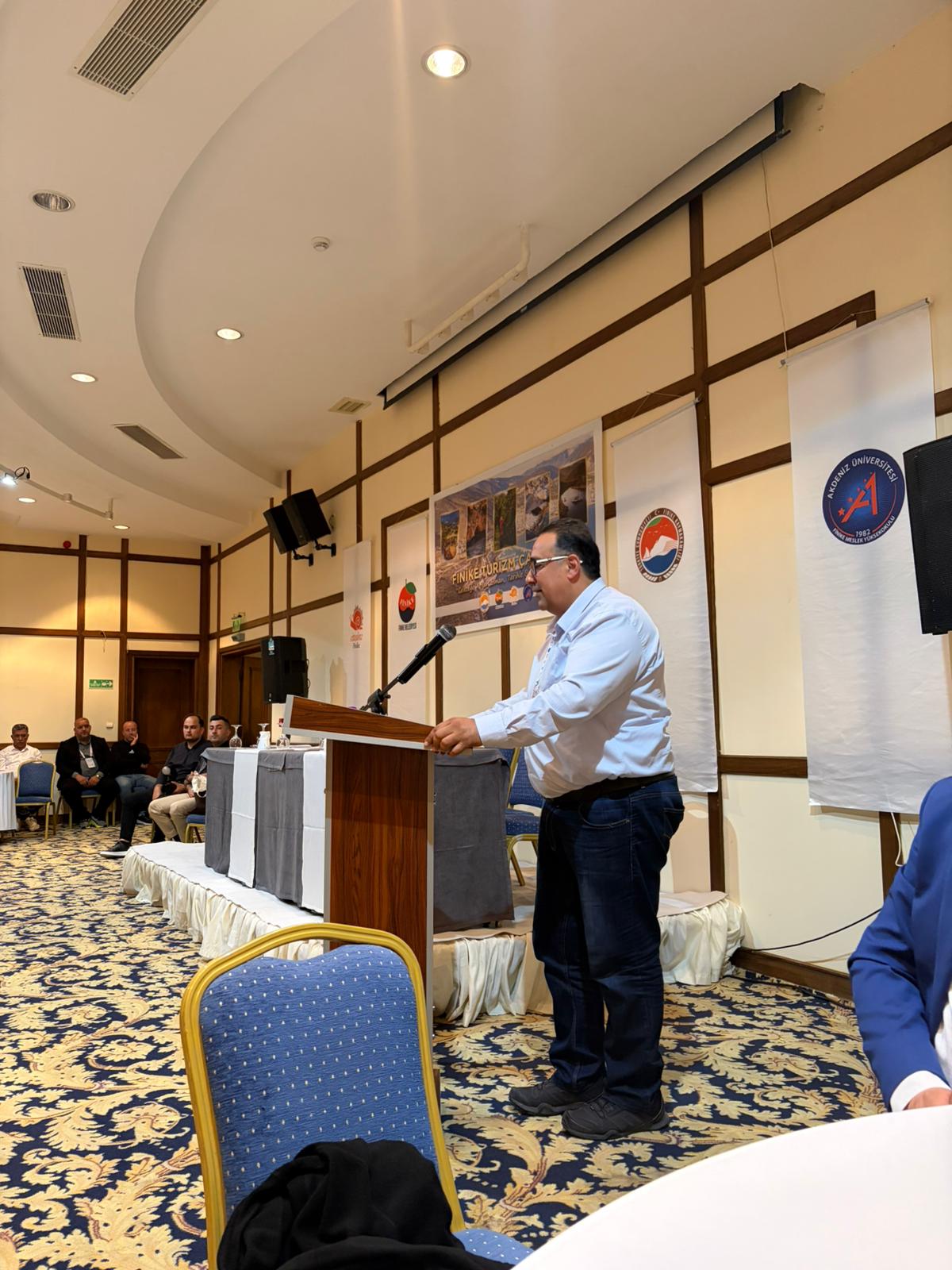
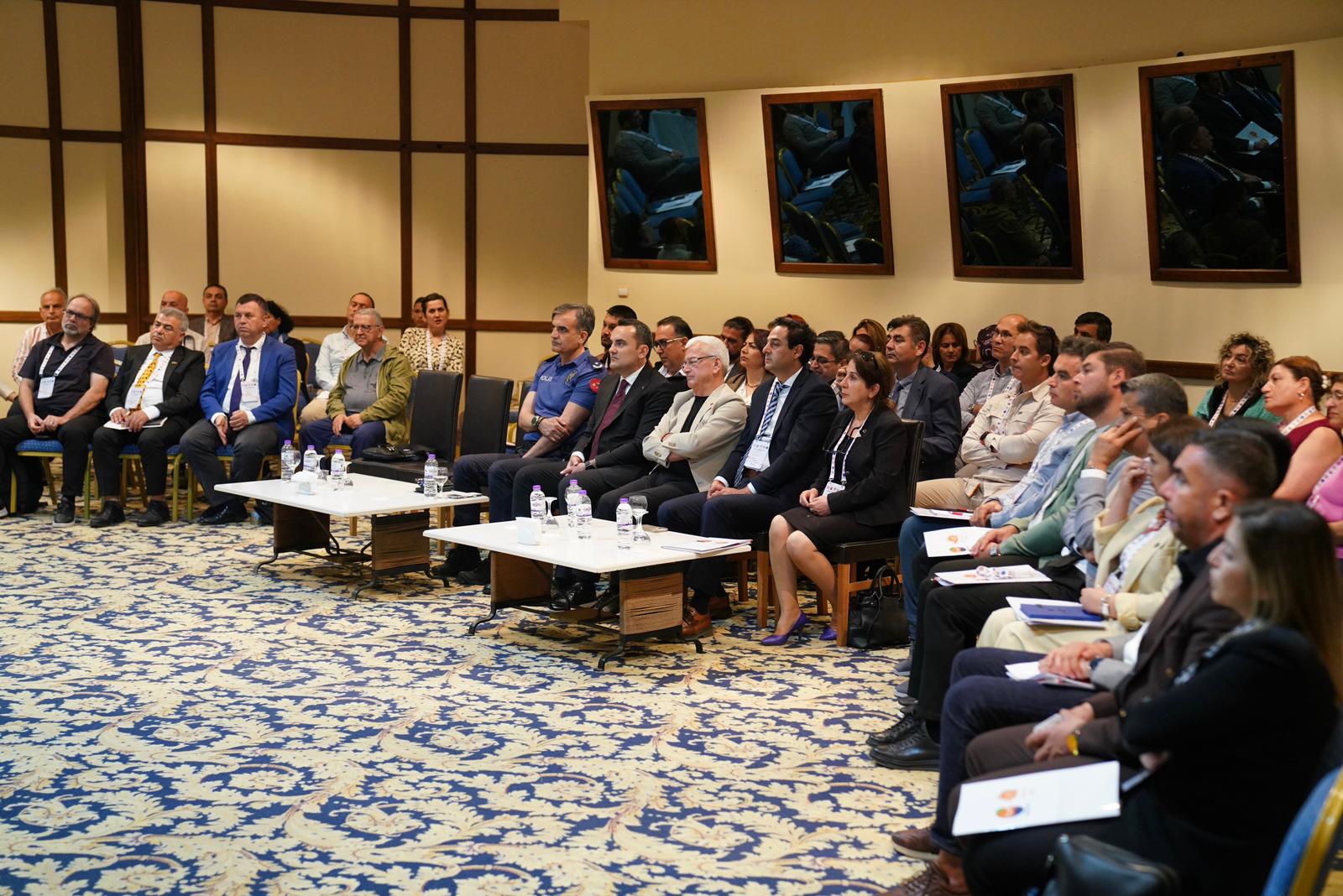
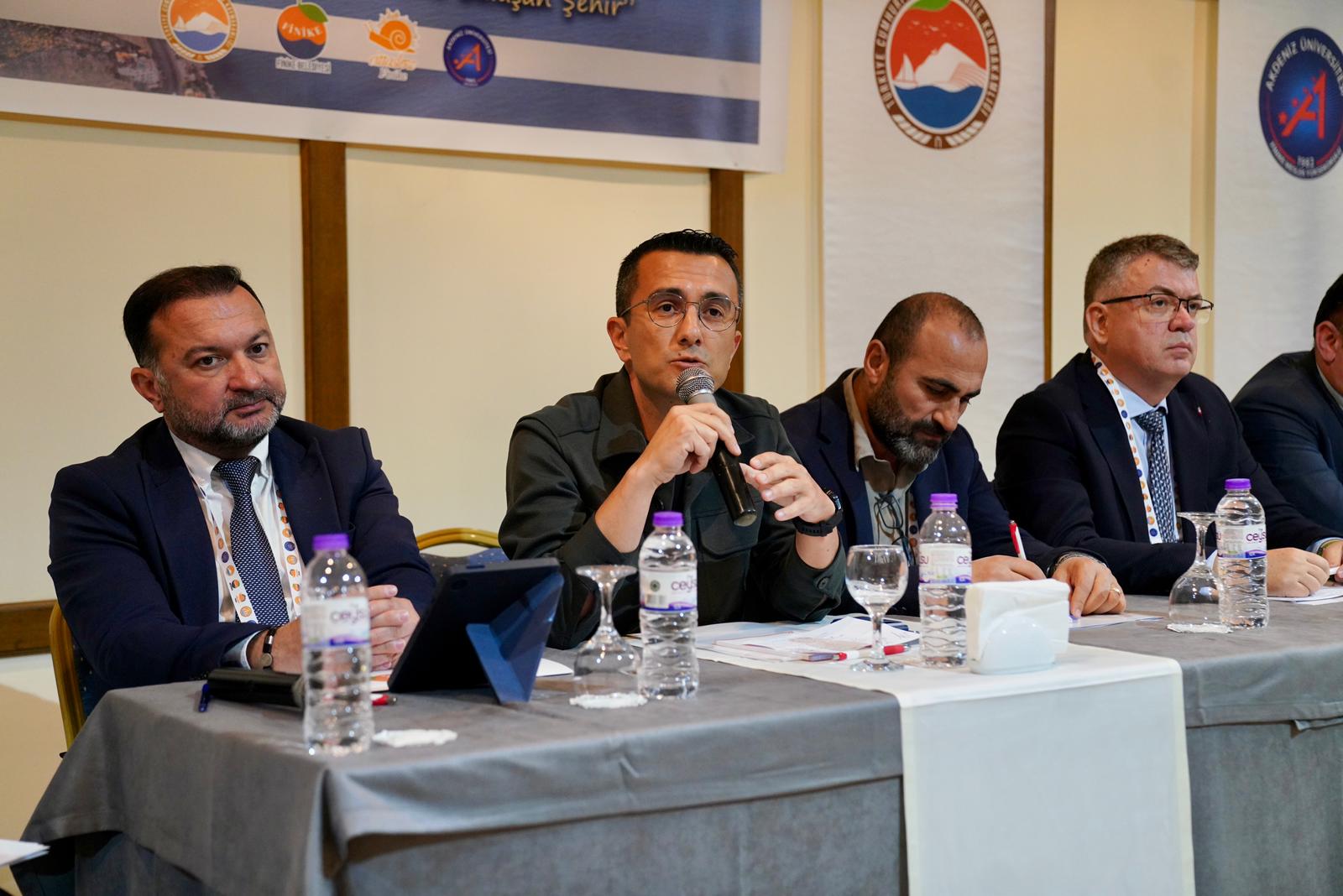
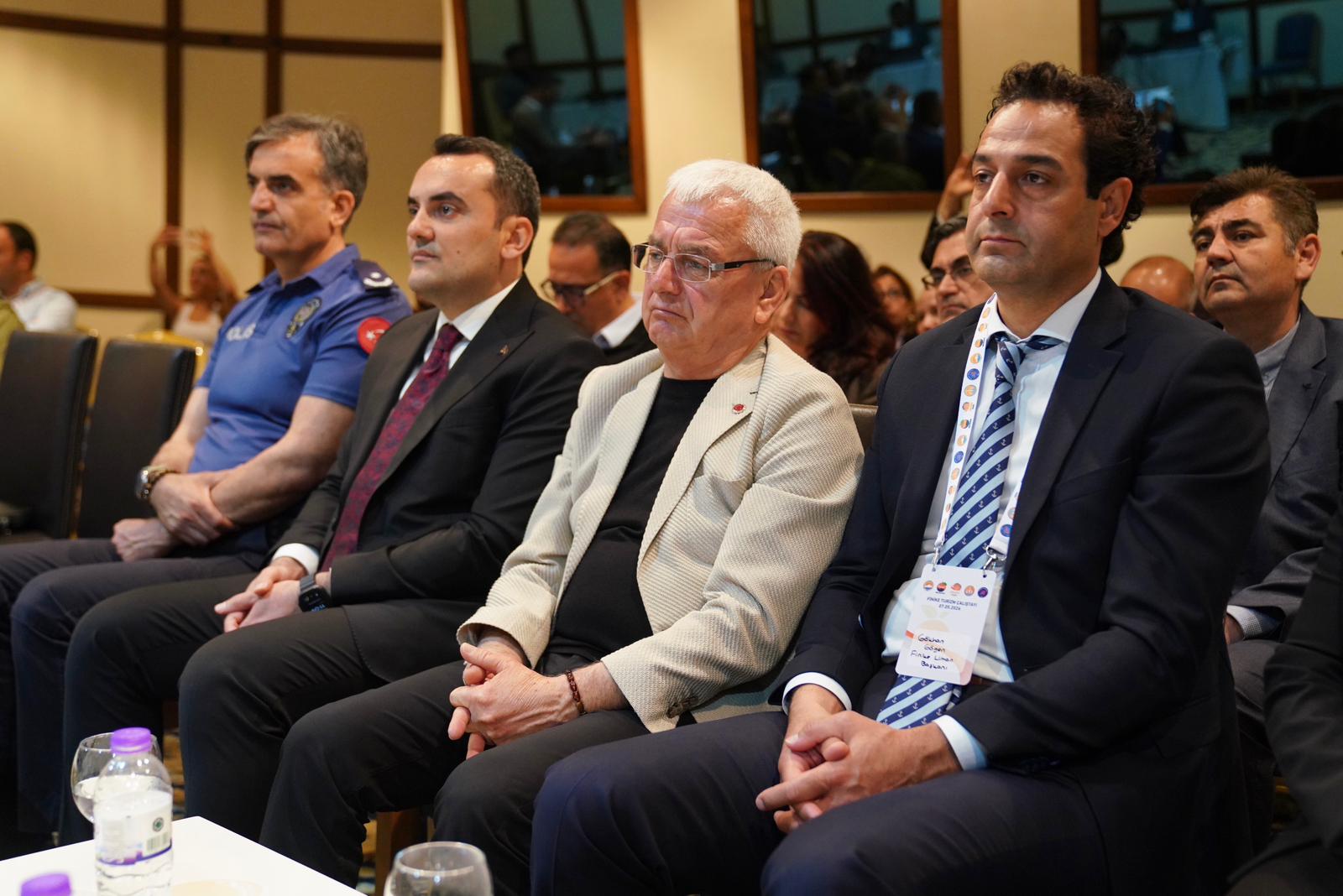
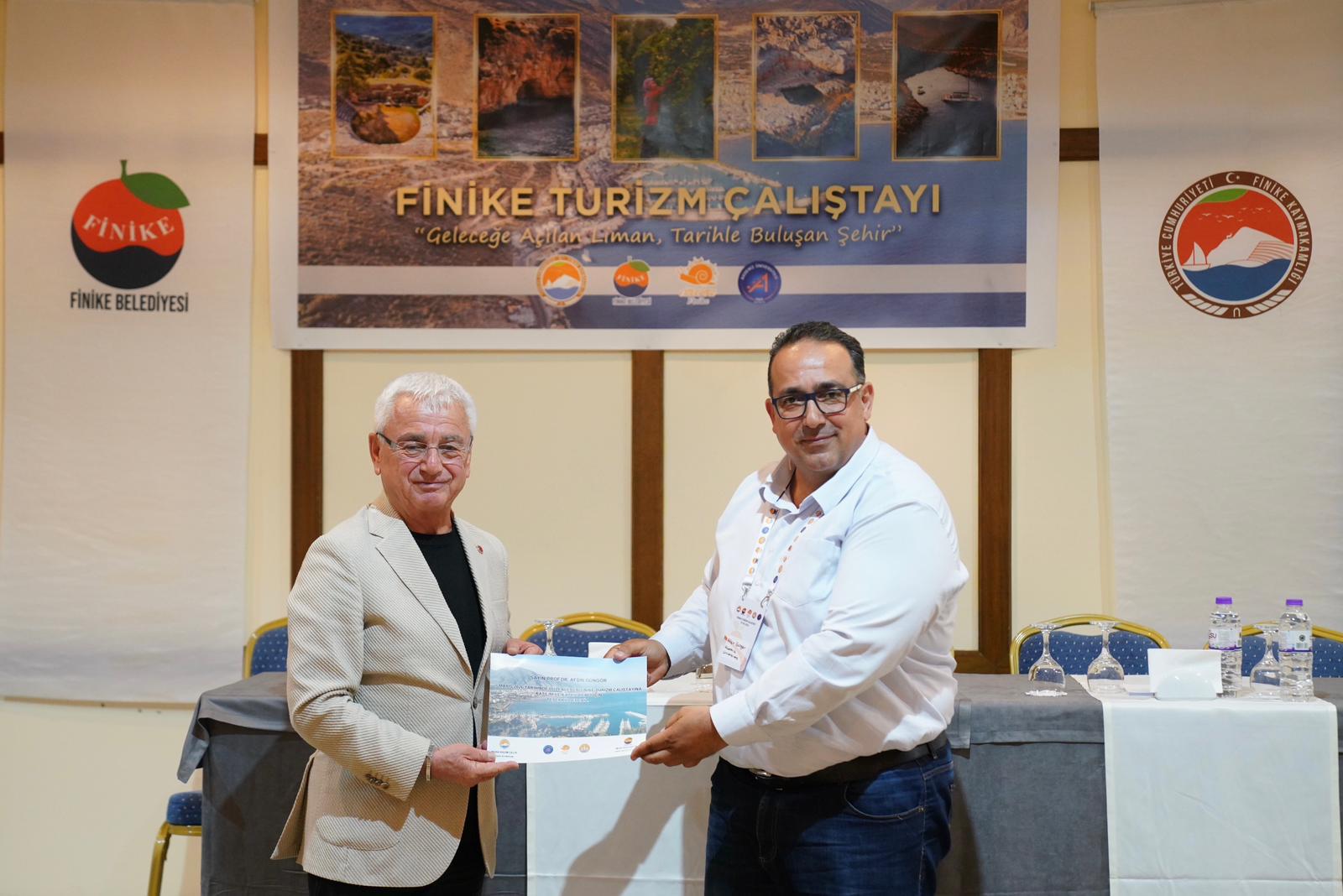
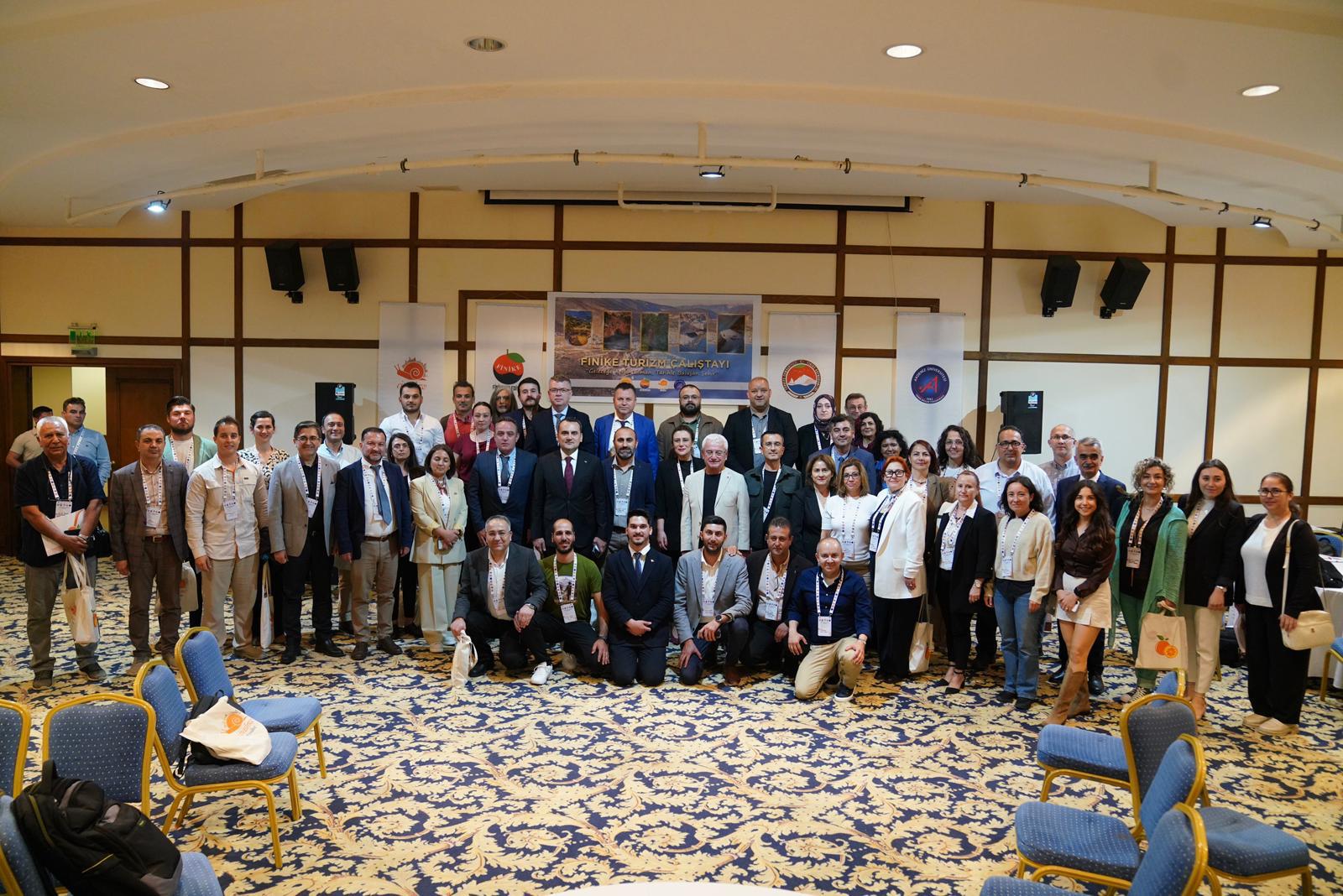
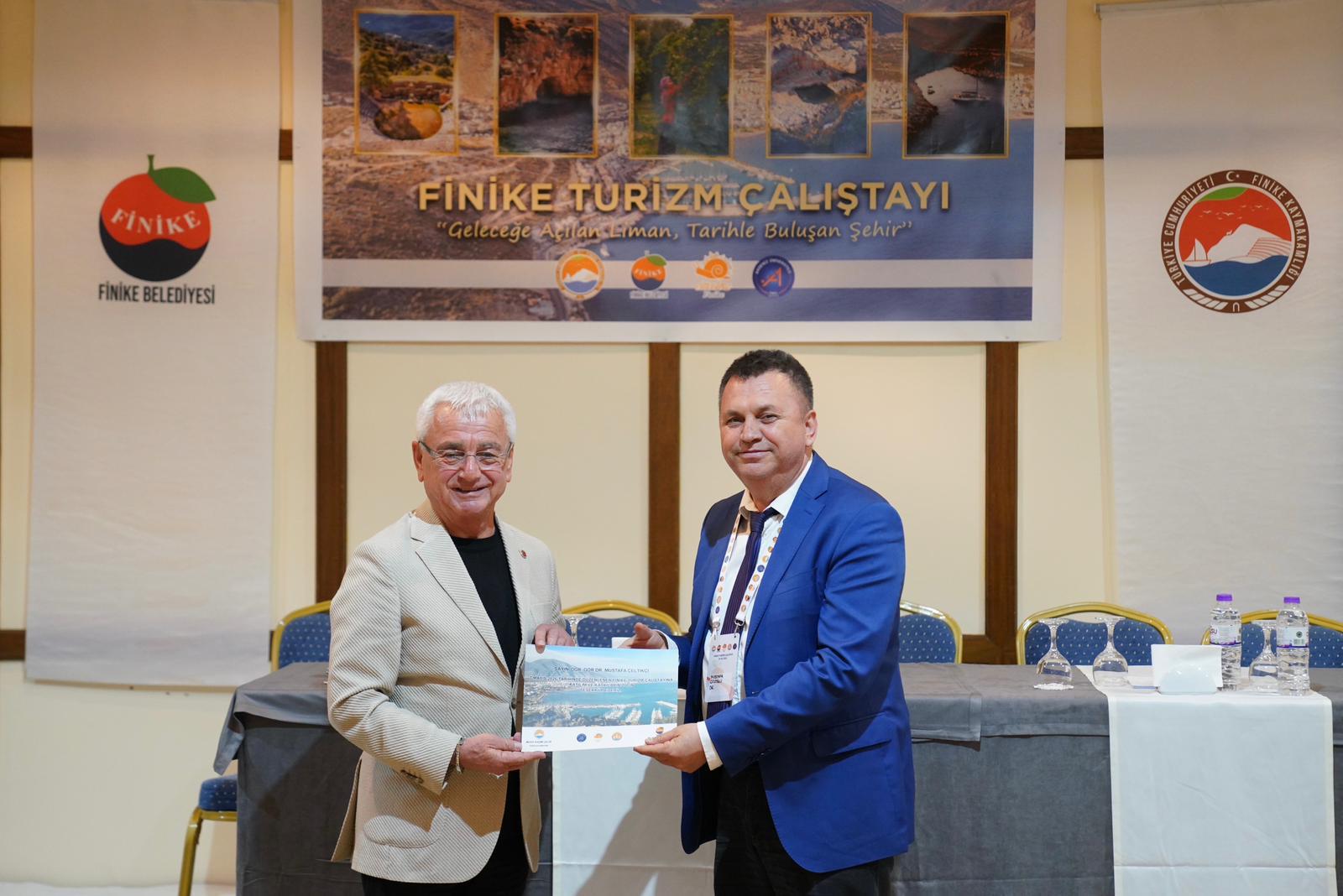
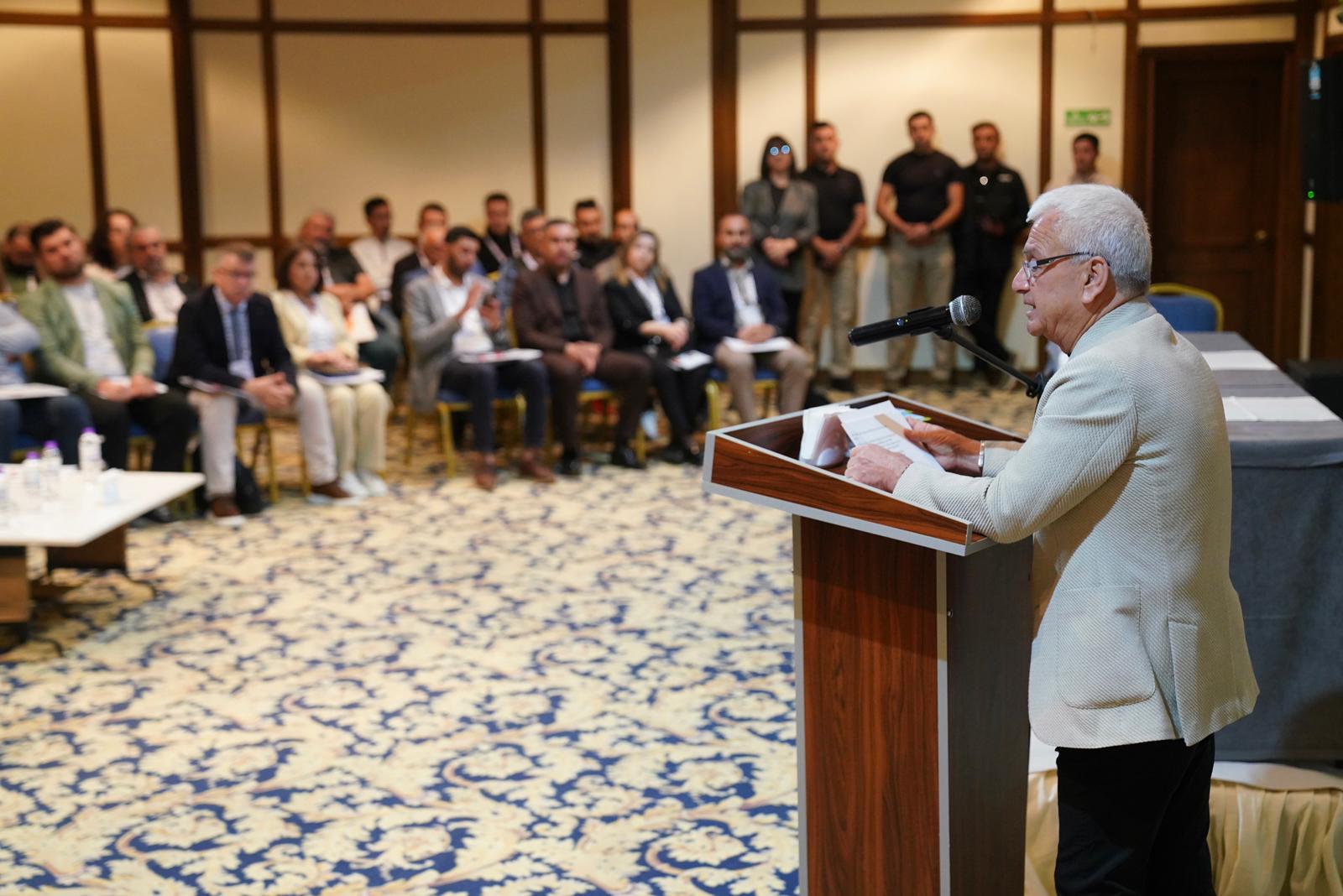
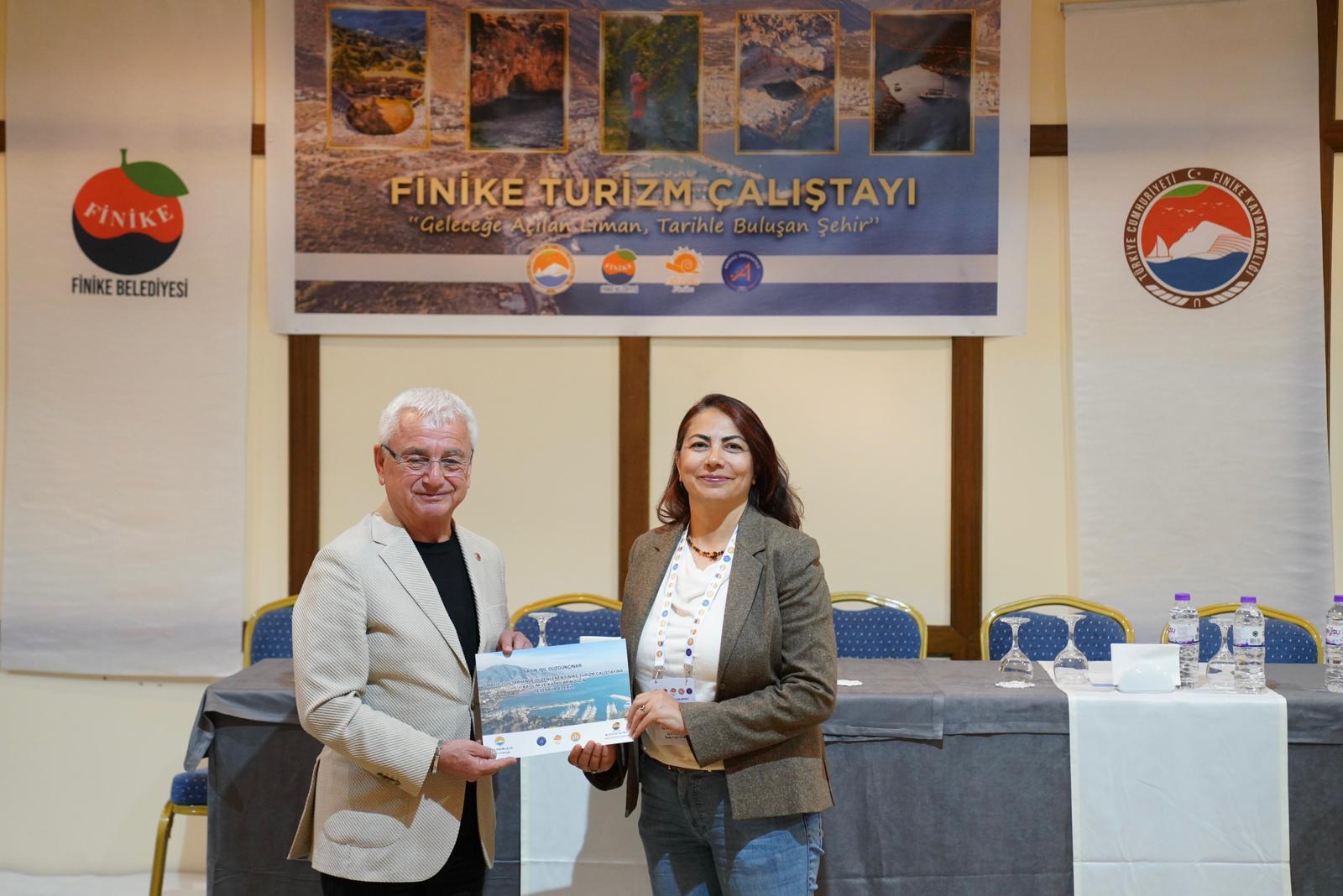
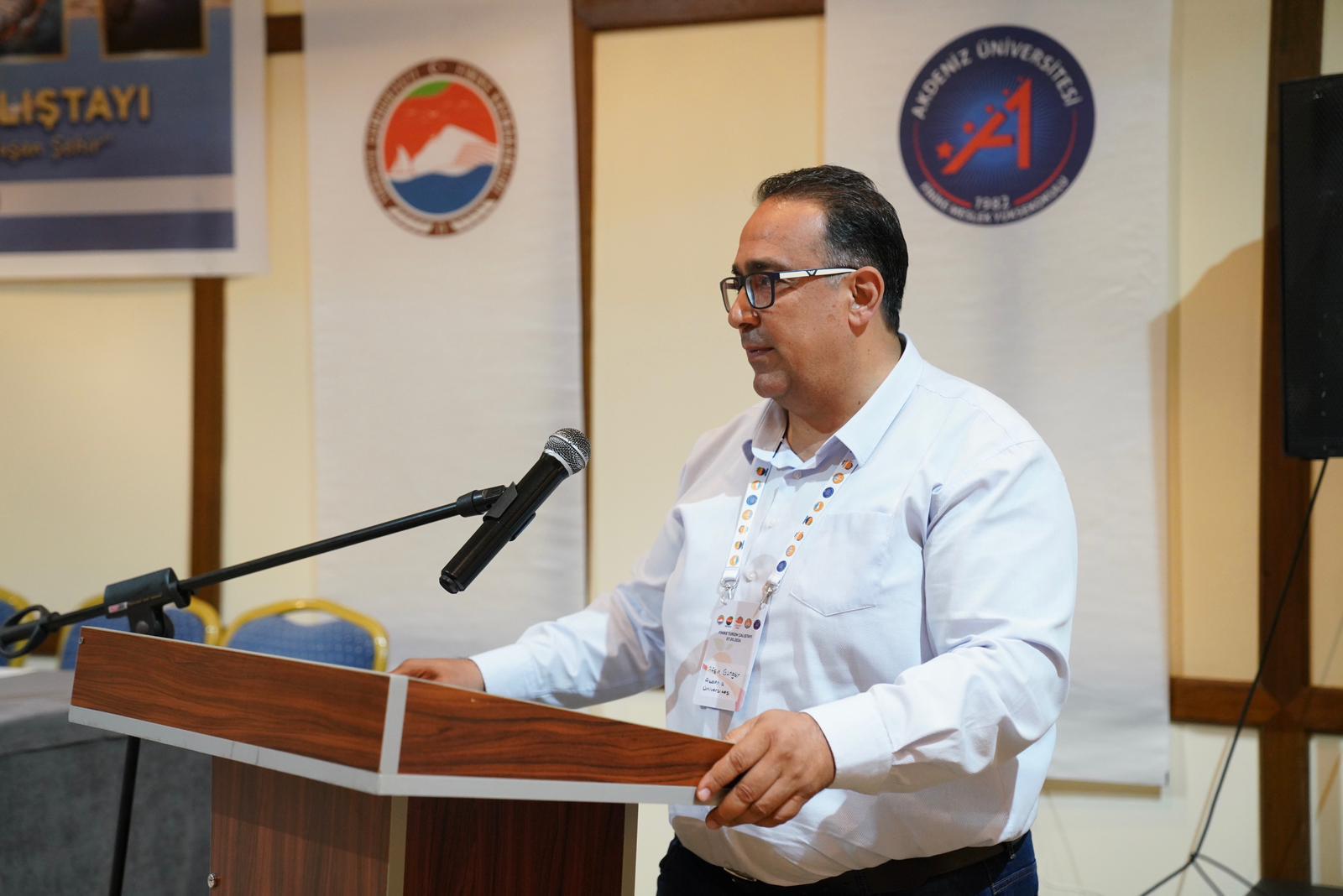
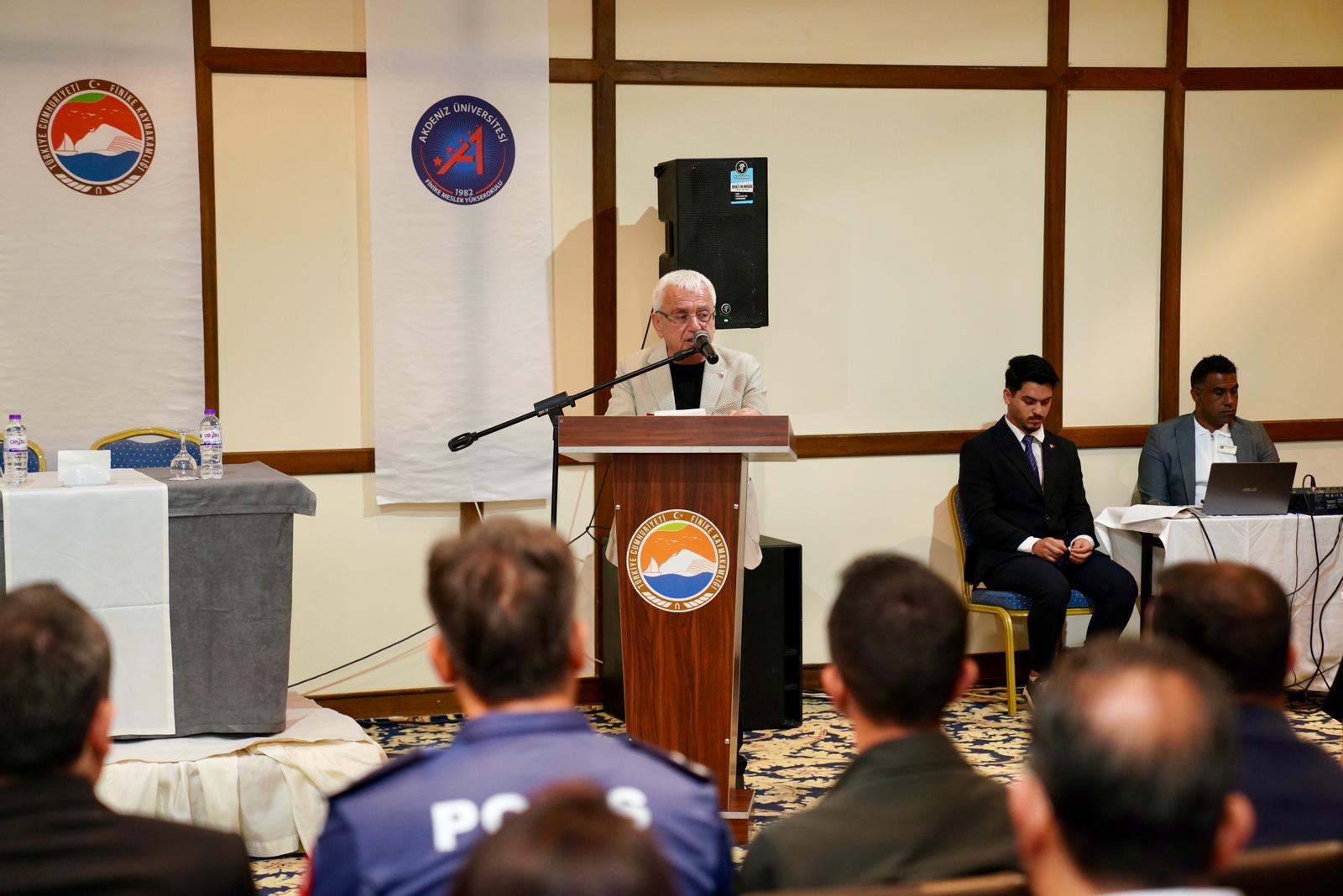
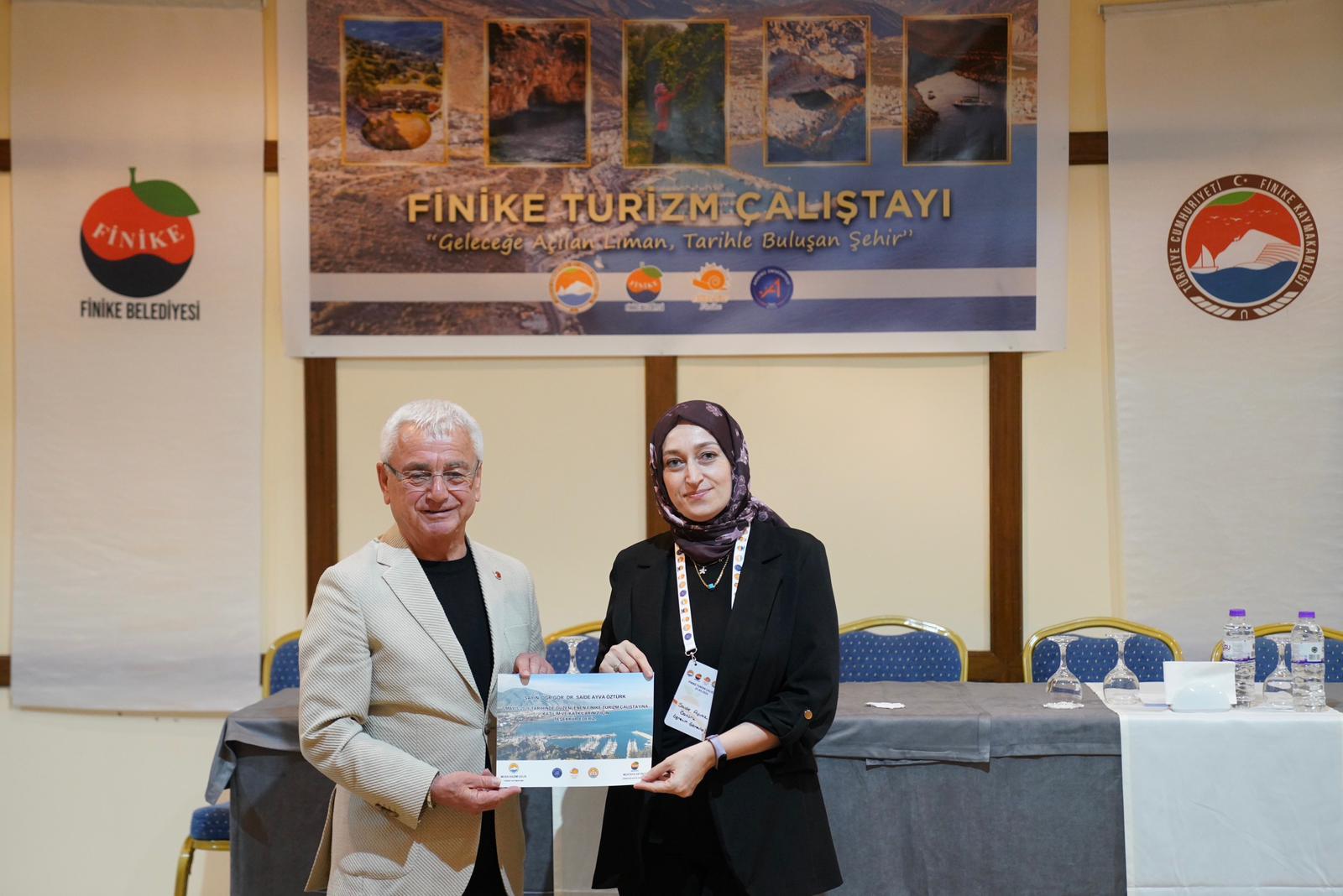
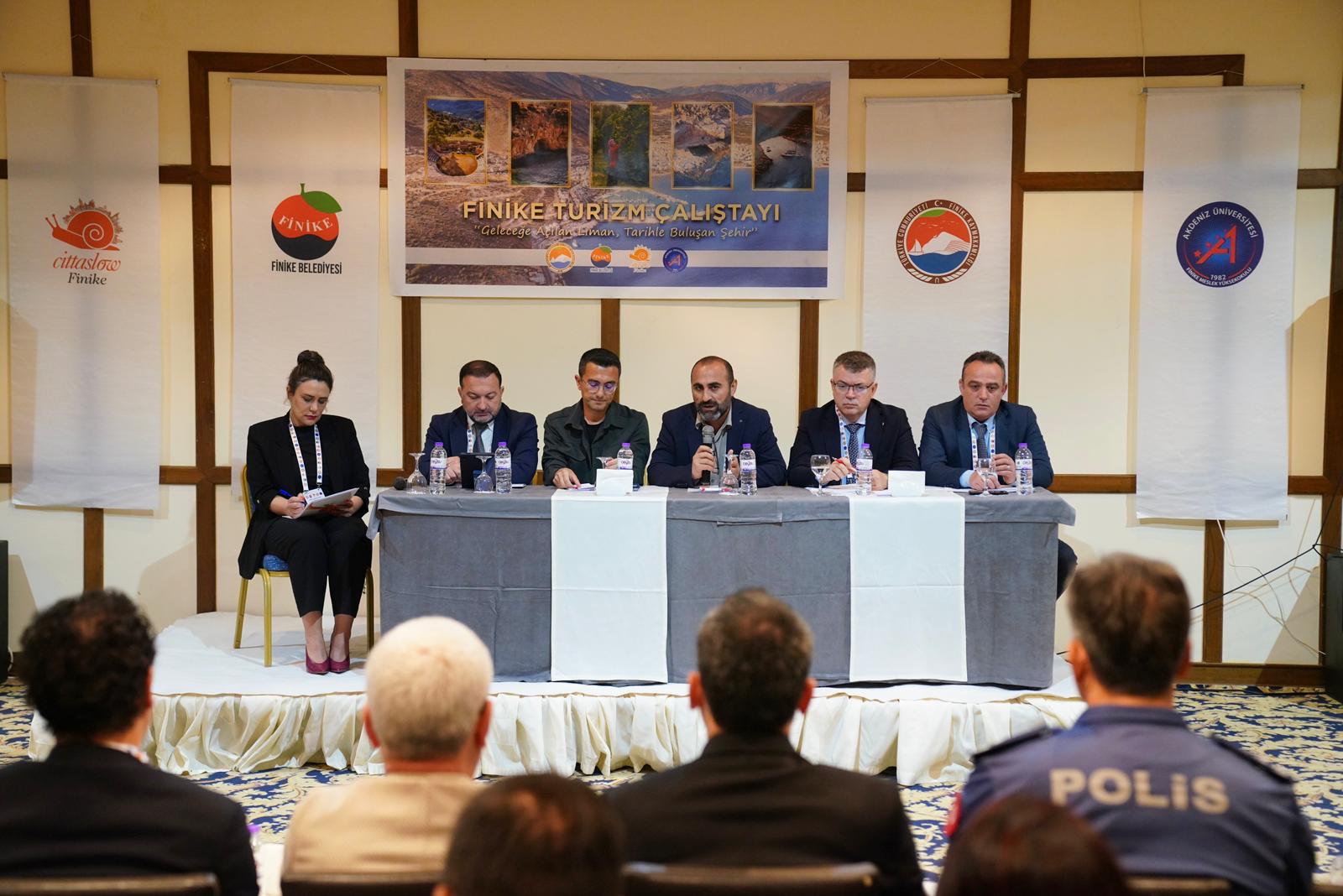
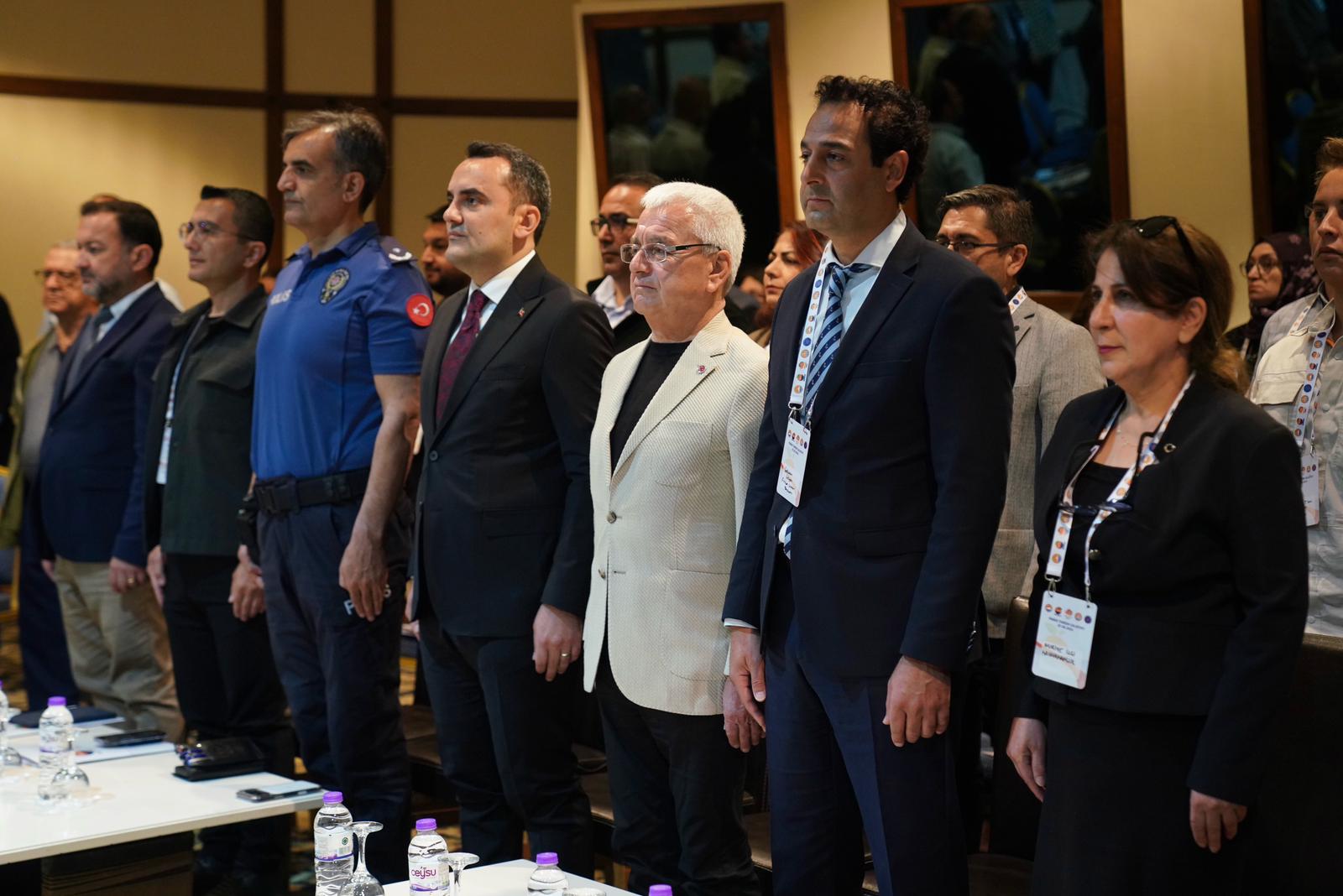
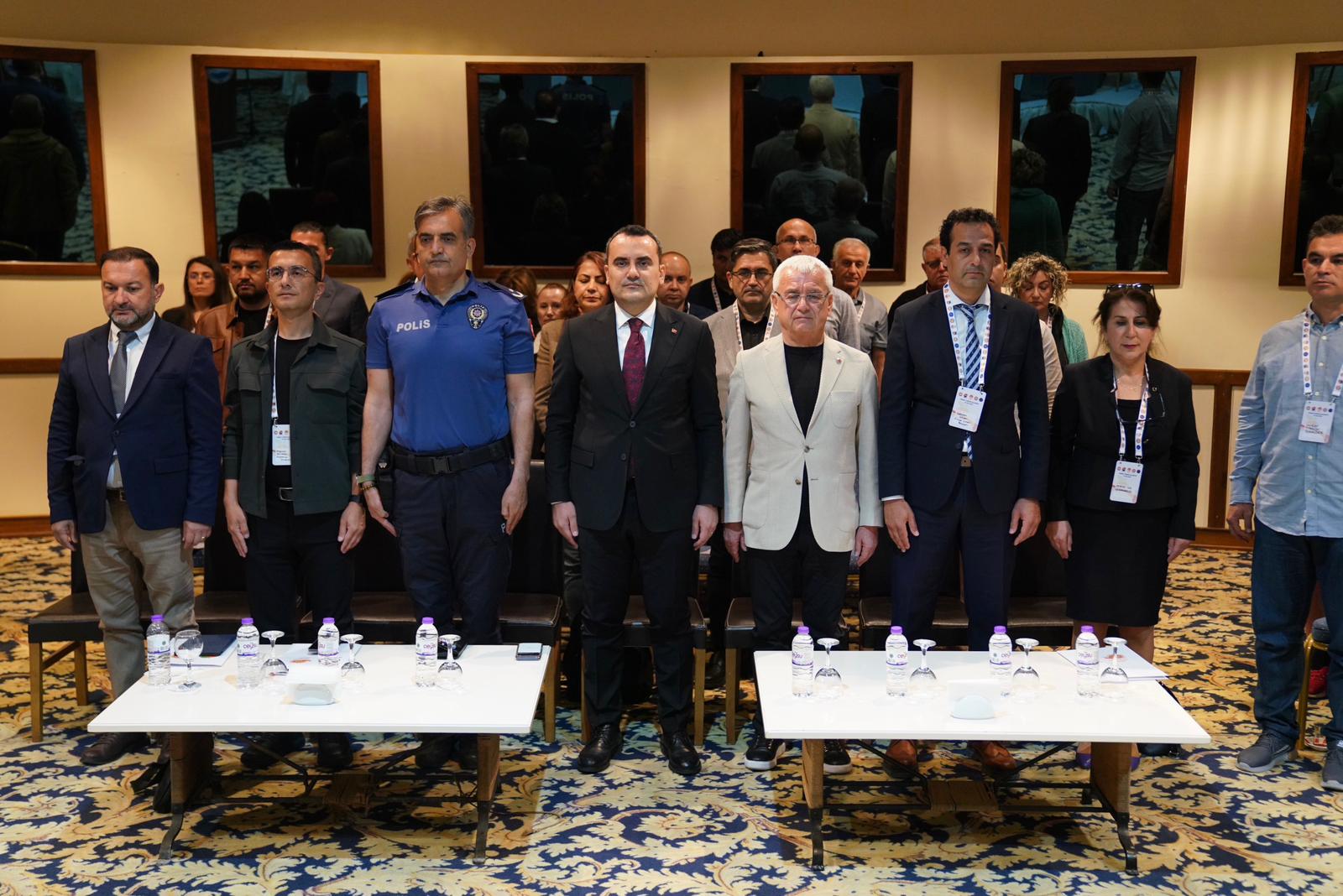
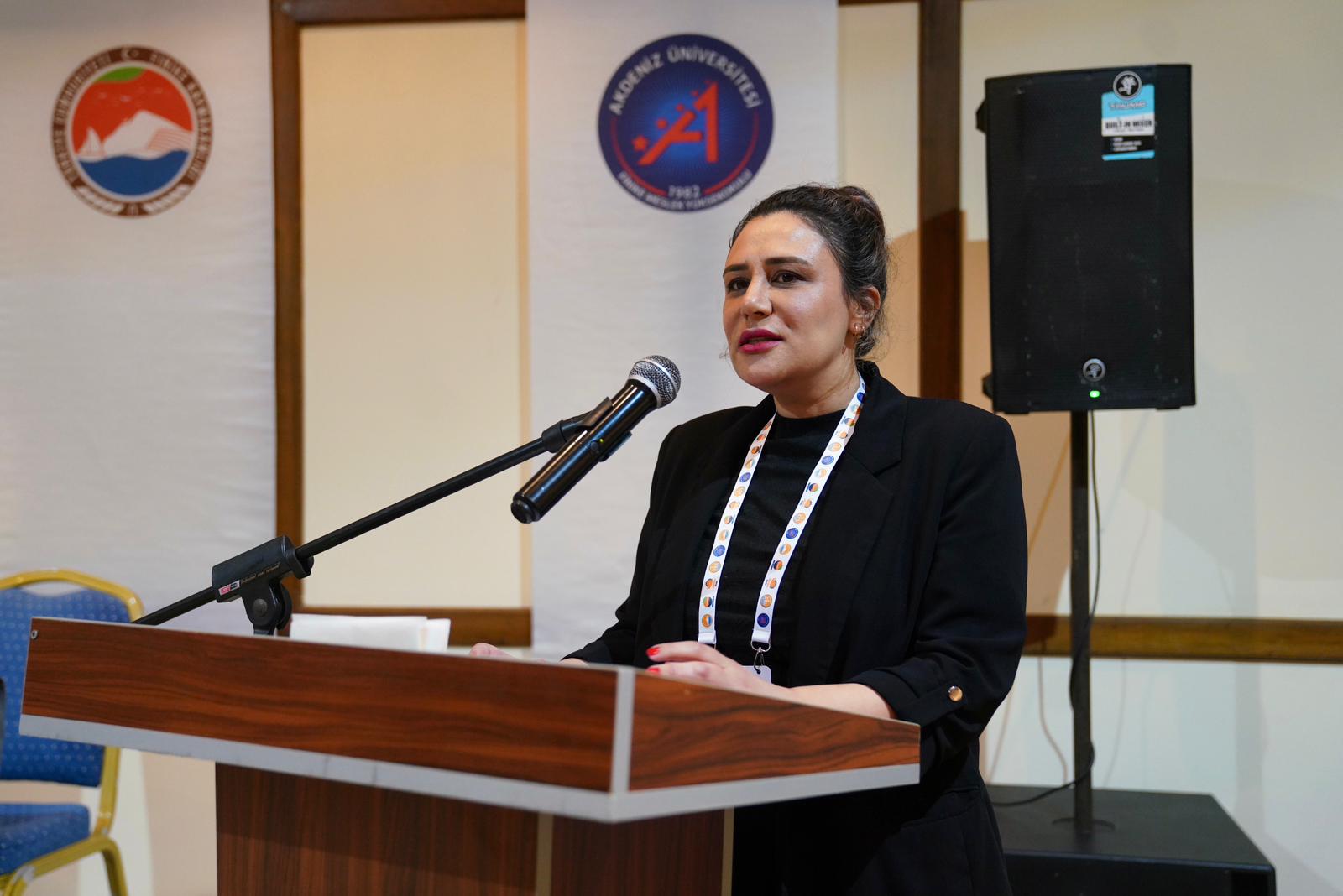
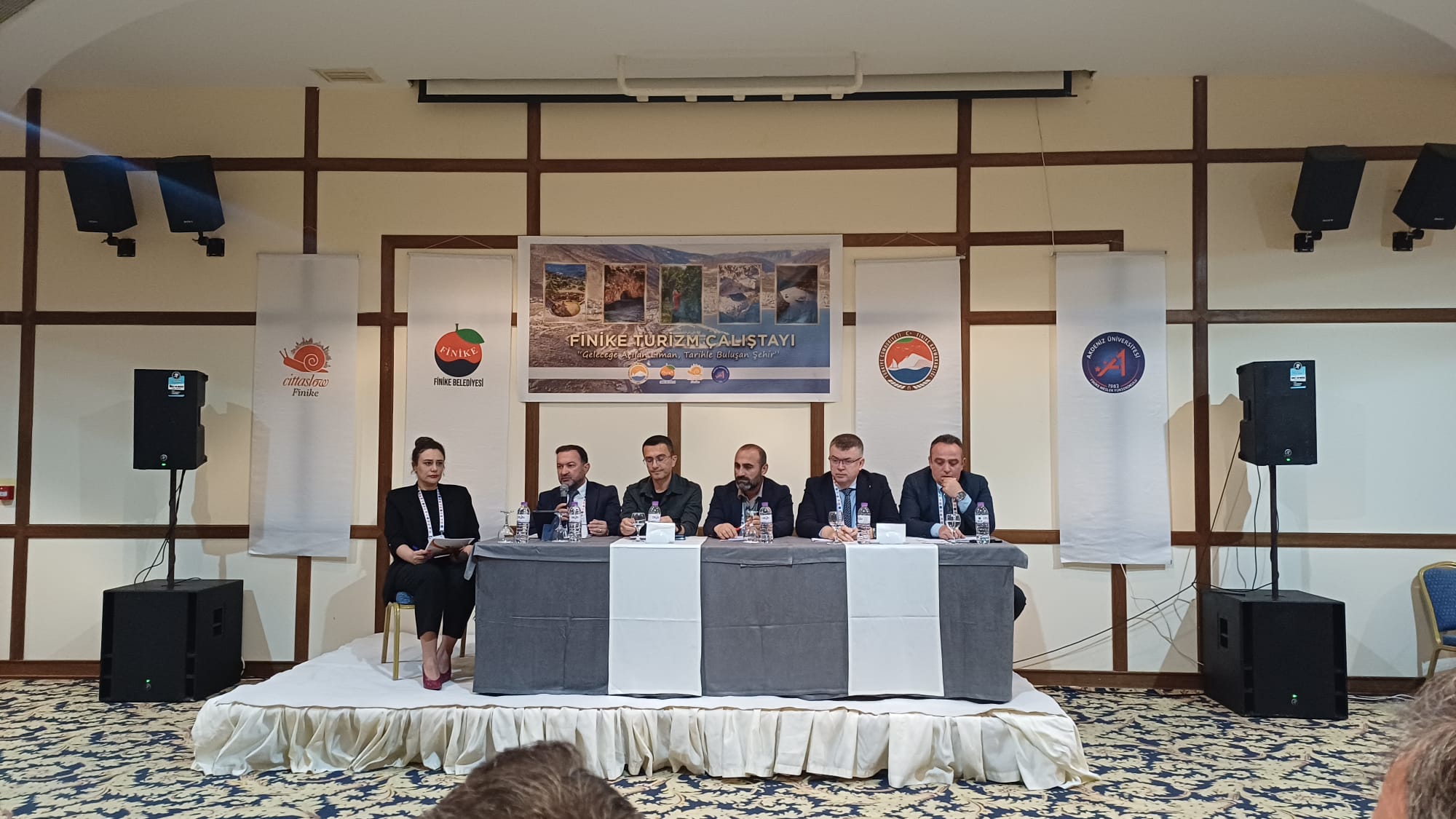
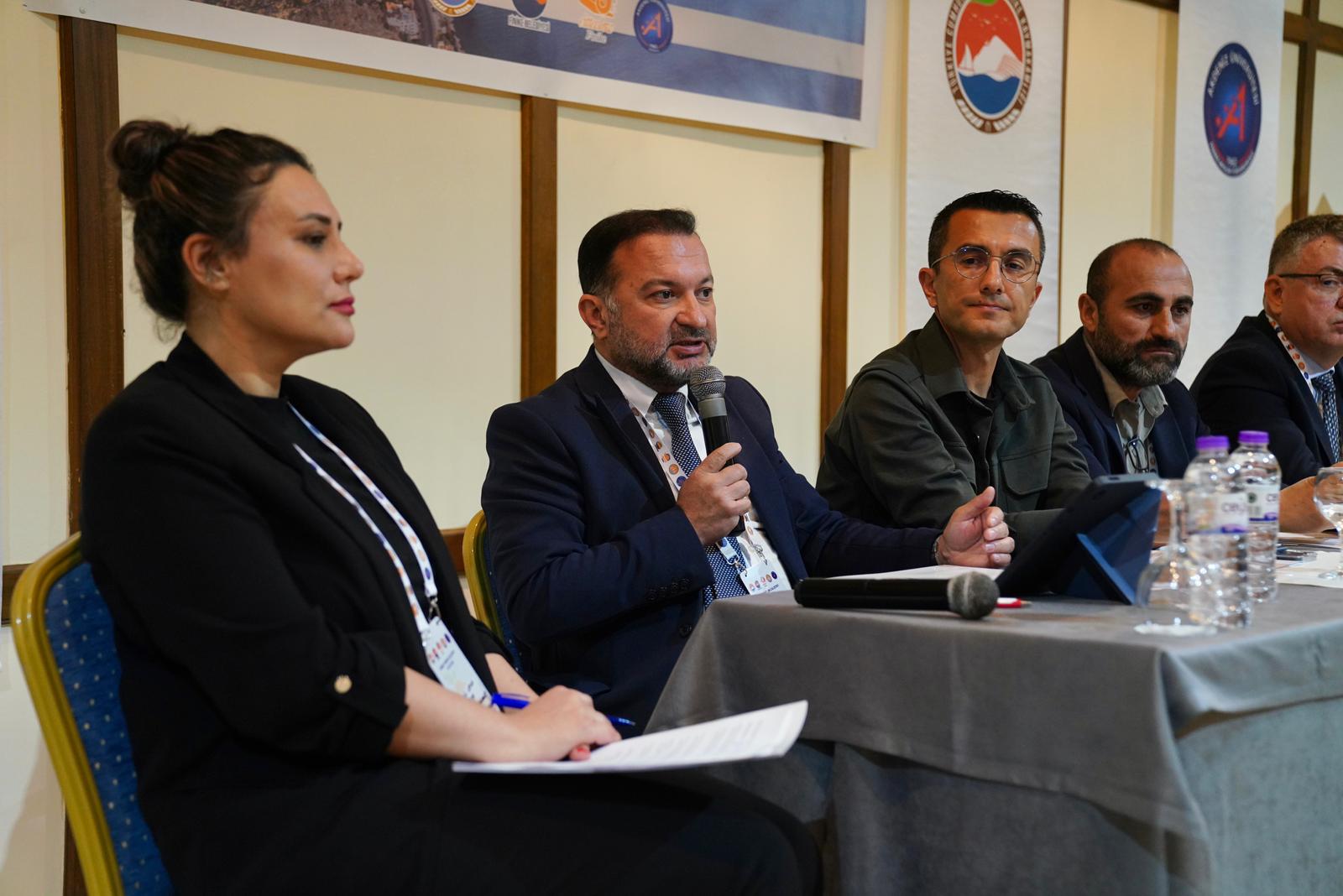
The most critical dataset and scientific foundation of this master plan were established during the Finike Tourism Workshop organized on May 7, 2026, in partnership with the Finike District Governorate, Finike Municipality, Akdeniz University Tourism Research, Development, and Application Center (TAGUM), and the Finike Education Foundation. The strategic recommendations generated through the collective wisdom of public authorities, academics, local residents, non-governmental organizations, and industry representatives have determined the fundamental building blocks of this project.
🧭 Our Strategic Focus Areas and Alternative Tourism Types
- Agritourism (Agricultural Tourism) & Gastronomy: We are integrating our geographically indicated, world-renowned Finike orange and our agricultural production strength with tourism. Key priorities include organizing harvest events in orange orchards, establishing local gastronomy routes, and promoting the authentic values of Mediterranean cuisine.
- Cultural, Historical, and Archaeological Tourism: We are integrating our ancient cities (Limyra, Arykanda)—which possess profound historical depth with excavations ongoing for over 50 years—and the Lycian Way route into tourism itineraries while preserving them. We are designing cultural routes to enhance the visibility of regional culture.
- Eco-Tourism and Outdoor Sports: While preserving our natural treasures such as Gökbük Canyon, Ördübek Plateau, and Andrea Doria Bay, we are introducing them to adventure tourism through trekking, canyoning, mountain running, and cycling routes.
- Marine, Youth, and Sports Tourism: While leveraging the opportunities offered by our sheltered, modern yacht marina with its peaceful harbor atmosphere for boutique yacht tourism, we are also developing infrastructure for water sports such as canoeing, rowing, and sailing.
- Rural Tourism: Preserving the authentic structure of our rural areas, we aim to integrate women and youth into the tourism economy through initiatives like homestays, thereby preventing rural-to-urban migration.
🤝 Goal: A Dynamic Destination Management Organization (DMO)
To ensure the successful sustainability of the project, it is aimed to establish a dynamic Destination Management Organization (DMO) bringing together public entities, academia, local actors, and non-governmental organizations. Through this mechanism, all processes—ranging from data collection systems to digital marketing, and smart agricultural practices to the training of local residents—will be managed through a unified framework and in accordance with sustainability principles.
Photo Gallery
Project Fact Sheet
-
Start Date 07 May 2026
-
End Date Lbl_Continuing